


You’re cruising through Meridian, ID, when suddenly, your Jeep starts making an odd squealing noise. Maybe the power steering gets stiff, or your battery light flickers. Sound familiar? That could be a sign it’s time for a Jeep serpentine belt replacement.
Don’t worry—if you’re not quite sure what that means or how urgent it is, you’re in the right place. Whether you’re a DIY type or someone who just wants to understand what their mechanic is talking about, this guide will walk you through everything you need to know about your Jeep’s serpentine belt: what it does, how to know it’s failing, and what it takes to replace it.
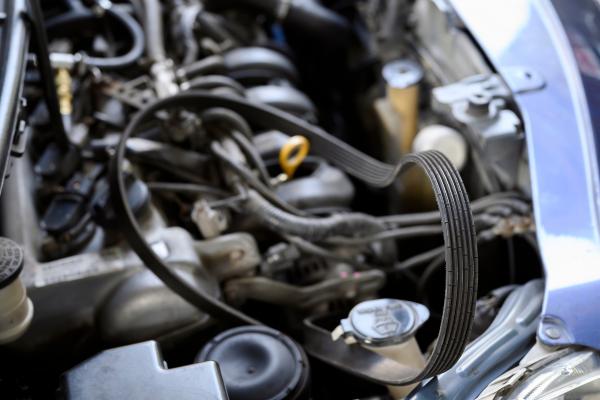
What Exactly Is a Serpentine Belt?
The serpentine belt is a long, rubber belt that winds (or “snakes”) around several components in your engine—hence the name “serpentine.” In your Jeep, it helps power key systems like:
- The alternator (which keeps your battery charged)
- The power steering pump
- The air conditioning compressor
- And sometimes, the water pump
Without this belt, most of these systems would stop working. That’s why keeping it in good shape—and replacing it before it fails—is so important.
Why Jeep Owners in Meridian Need to Pay Close Attention
The driving conditions around Meridian, ID, can be tough on belts. Summer heat, winter cold, and even the occasional dusty backroad can wear the rubber down faster than you’d think.
If your Jeep’s serpentine belt snaps while you’re out on a weekend trip to the Boise National Forest or just doing errands in town, you could suddenly lose power steering or have your engine overheat. Not fun—and not cheap to fix.
That’s why regular inspection and timely Jeep serpentine belt replacement should be part of your maintenance game plan.
Signs Your Jeep’s Serpentine Belt Is Going Bad
Belts don’t usually fail all at once. They give off warning signs first—if you know what to look (or listen) for:
- Squealing or chirping noises under the hood
- Visible cracks, fraying, or glazing on the belt
- Stiff steering, especially when you first start the engine
- Battery warning light turning on while driving
- Engine overheating, particularly if the belt powers your water pump
If you’re noticing any of these symptoms, it’s a good idea to take a closer look—or better yet, get it checked by someone who knows Jeeps inside and out.
How to Do a Jeep Serpentine Belt Replacement
Think you might want to tackle this one yourself? Replacing a serpentine belt is a relatively straightforward job if you’re comfortable working under the hood.
Here’s a basic rundown of the process:
Tools and Supplies:
- New serpentine belt (make sure it matches your Jeep’s year and model)
- Ratchet wrench or serpentine belt tool
- Gloves and safety glasses
- Your Jeep’s belt routing diagram (usually found under the hood or in the owner’s manual)
Step-by-Step:
- Take a photo or sketch the belt layout before removing anything. Routing is specific and tricky if you forget.
- Relieve tension on the belt by rotating the tensioner pulley with your wrench or tool.
- Slip off the old belt carefully and inspect it—cracks or missing chunks confirm it needed replacement.
- Route the new belt according to the diagram, making sure it sits properly in each pulley groove.
- Release the tensioner slowly so the new belt tightens into place.
- Double-check everything , then start your engine and listen for any unusual noises.
Not feeling confident? No shame in that. This job isn’t too technical, but it can be awkward, and the tight spaces in some Jeep models make it tougher than it looks.
What’s the Benefit of Replacing the Belt Before It Breaks?
Here’s the thing: waiting for the belt to fail isn’t just inconvenient—it can lead to damage to other engine components. A snapped belt means you’re potentially losing electrical power, steering control, and engine cooling all at once.
Timely Jeep serpentine belt replacement means:
- Fewer chances of unexpected breakdowns
- Better engine efficiency
- Longer lifespan for related parts like the alternator and power steering pump
It’s preventive care that pays off—especially when you think about the towing costs and repair bills you might face after a belt failure.
A Real-Life Example from Meridian, ID
Not too long ago, a local Jeep owner brought in their Grand Cherokee after hearing an intermittent squeal. Turns out, the serpentine belt had started to shred—rubber pieces were collecting around the pulleys, and the alternator wasn’t charging correctly.
They hadn’t broken down yet, but they were close. We swapped out the belt, checked the tensioner and pulleys for wear, and had them back on the road in under an hour.
The cost? Under $200. The relief of avoiding a breakdown on a camping trip with the family? Priceless.
How Often Should You Replace the Serpentine Belt?
Most manufacturers recommend replacing the belt somewhere between 60,000 and 100,000 miles. But here’s where local conditions matter. If you’re regularly driving in the heat, towing, or exploring Idaho’s more rugged terrain, it’s smart to check the belt more frequently.
Inspect it every time you get an oil change, and if it’s more than five years old, think seriously about replacing it—even if it still looks okay. Rubber degrades over time.
A quick check can be the difference between a smooth road trip and calling for a tow truck on Highway 55.
Supporting Data: Why Belts Matter More Than You Think
Here’s a stat that might surprise you: According to the Car Care Council, worn-out belts and hoses are responsible for about 20% of roadside breakdowns. That’s one in five.
For Jeeps specifically, the serpentine belt is critical—not just a comfort feature like A/C, but part of how the engine cools and charges. Ignoring it isn’t just risky; it can be costly.
And with the cost of parts and labor climbing, doing maintenance proactively (when it’s convenient) is always smarter than doing repairs reactively (when you’re stuck on the side of the road).
Keep Your Jeep and Your Adventures Running Smoothly
If you’re hearing odd noises, spotting wear, or it’s just been a while since your last inspection, now’s the time to think about a Jeep serpentine belt replacement. Taking care of this now could save you time, money, and hassle down the road.
Not sure what condition your belt is in? Come by for a quick inspection. At John’s Auto Care Center in Meridian, ID, we’ll check it out, give you honest feedback, and only recommend a replacement if you truly need it.
Give us a call or schedule an appointment—we’re here to keep your Jeep road-trip ready.
Frequently Asked Questions
1. How do I know which serpentine belt fits my Jeep?
Check your owner’s manual or bring your VIN to an auto parts store. Different Jeep models (like Wrangler, Cherokee, or Compass) and engine sizes require different belts. It’s important to get an exact match to ensure correct routing and tension.
2. Can I replace the serpentine belt myself?
Yes, if you’re comfortable working with tools and understand the belt routing. But access can be tricky on some Jeep models, and you’ll need the right tools to release tension. If you’re not 100% confident, a professional job is quick and affordable.
3. How much does a Jeep serpentine belt replacement cost?
It varies, but most replacements cost between $100 and $200 including labor and parts. DIYers can expect to pay $30–$70 for the belt alone. Still, factor in the cost of tools and time.
4. What happens if the belt breaks while I’m driving?
The engine may lose power steering, overheat, or stop charging the battery. In some cases, the engine will shut down completely. This can be dangerous and usually requires a tow. That’s why replacing it before it breaks is crucial.
5. Is the tensioner usually replaced with the serpentine belt?
Not always, but it’s worth checking. If the tensioner pulley is noisy or doesn’t hold proper tension, replacing both at the same time saves labor and ensures smoother operation.
