Let’s be honest—few things are more frustrating than seeing that dreaded check engine light pop on in your Jeep. Whether you’re heading out for a trail ride, commuting through Meridian traffic, or just running errands around town, that amber glow feels like your Jeep is trying to tell you something… but in code. If you’re not sure what it means or what to do about it, don’t worry—you’re not alone.
In this post, we’ll walk you through a straightforward, real-world guide to Jeep check engine diagnosis. You’ll learn what the light means, how to figure out what’s going on, and when it’s time to bring in a pro. Consider this your go-to Jeep troubleshooting buddy.
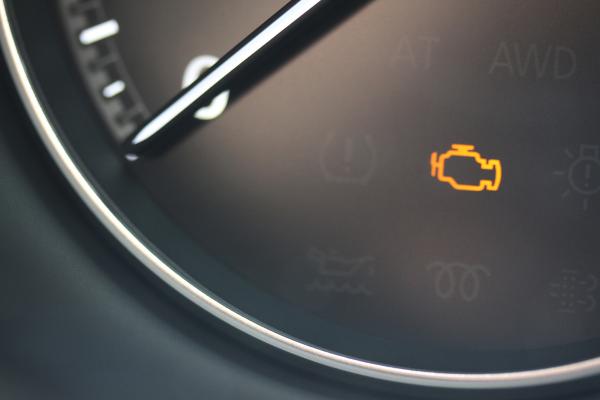
What Does the Check Engine Light Mean?
Your Jeep is smarter than it might look. Under the hood, the engine control unit (ECU) is constantly scanning for anything unusual, like misfires, emissions issues, or sensor failures. When something goes wrong, the system stores a diagnostic trouble code (DTC) and turns on the check engine light.
Depending on the severity of the issue, the light might behave differently:
- Solid Light: There’s a problem, but it’s not urgent. Still, you shouldn’t ignore it.
- Flashing Light: Stop driving. This usually means a serious misfire that can damage your engine or catalytic converter.
The point is: the light is not there to annoy you. It’s there to protect your engine, improve fuel efficiency, and keep your Jeep running smoothly.
Jeep Check Engine Diagnosis: Step-by-Step
Now that you know what it means, let’s get into how to diagnose a check engine light on your Jeep. These steps can help you figure out what’s going on before you call your mechanic, or help you explain the issue more clearly if you do.
1. Start with the Simple Stuff
First, check your gas cap. No joke—this is one of the most common causes of a check engine light in Jeeps. If it’s loose, cracked, or missing, your fuel system won’t hold proper pressure. Tighten it until it clicks and see if the light goes off after a couple of drives.
2. Check for Any Symptoms
Even if your Jeep feels fine, pay attention:
- Is it idling roughly?
- Is acceleration sluggish?
- Has your MPG dropped suddenly?
This will help: Look for any of these signs to solve the mystery.
3. Scan the Code
Grab an OBD-II scanner (or visit a local auto parts store in Meridian—they’ll often scan it for free). Plug it into the port under the dashboard and retrieve the codes.
Here are some common Jeep-specific codes:
- P0300: Random cylinder misfire
- P0456: EVAP system leak (small leak—gas cap is often the culprit)
- P0420: Catalytic converter efficiency issue
- P0128: Coolant thermostat below temp
Each code tells you where to look, but not necessarily the exact fix.
4. Research or Get a Professional Opinion
Look up the code online or call a trusted mechanic. Just knowing the code isn’t enough—you’ll need a proper Jeep check engine diagnosis to find out what’s wrong.
5. Don’t Just Clear the Code
It’s tempting to reset the light and pretend it never happened. But that’s like turning off a smoke alarm without checking for fire. If you don’t fix the problem, the light will come back—and possibly cause more damage.
Why You Shouldn’t Ignore That Light
Ignoring your check engine light can lead to:
- Lower fuel economy
- Failed emissions tests
- Costlier repairs down the line
- Engine damage (especially with misfire codes)
For instance, a simple O2 sensor failure might cost a couple of hundred bucks to replace. But if ignored, it can ruin your catalytic converter, costing $1,000 or more.
Real-Life Example: A Jeep Grand Cherokee in Meridian
A customer recently brought in their 2017 Jeep Grand Cherokee to our shop in Meridian. The check engine light had been on for a week, but the Jeep “seemed fine.” After running a diagnostic scan, we found a P0430 code, which pointed to a catalytic converter issue.
Turns out, the O2 sensors were failing, causing false readings. We replaced the sensors, cleared the code, and the light stayed off. The customer also noticed an improvement in power and fuel economy.
That’s the power of proper Jeep check engine diagnosis —getting to the root of the issue instead of playing the guessing game.
Supporting Stats: What the Data Tells Us
Nationwide, the most frequent check engine light for Jeep vehicles includes:
- Loose Gas Cap – 17%
- Oxygen Sensor Failure – 15%
- Spark Plug/Ignition Coil Issues – 12%
- Catalytic Converter Problems – 10%
- EVAP System Leaks – 9%
In our experience here in Meridian, ID, these trends hold, especially after extreme weather changes, which can affect seals and sensors.
Don’t Drive Blind—Get Answers
Your check engine light isn’t something to brush off, especially if you drive a Jeep that takes you off-road, through Idaho’s backcountry, or just down Eagle Road. Accurate, prompt Jeep check engine diagnosis can help prevent serious repairs, extend the life of your vehicle, and save you money.
If you’re in the Meridian, ID area and looking for mechanics you can trust, bring your vehicle to John’s Auto Care Center. Our trained and ASE-Certified auto repair specialists know Jeeps inside and out. We’ll help you get answers fast, with no pressure and no guesswork.
Frequently Asked Questions
1. Is it safe to drive with the check engine light on?
If it’s solid and there are no weird symptoms, it’s usually okay short-term. But get it checked soon. If the light is flashing, stop driving—it could cause engine damage.
2. How long does it take for the light to turn off after a fix?
If the issue is resolved, the light often goes off after a few drive cycles (usually 50–100 miles). You can also clear it manually with a scanner.
3. Can I diagnose the issue myself at home?
Yes, with a basic OBD-II scanner and some online research. But for accurate results and safe repairs, a professional Jeep check engine diagnosis is always a good idea.
4. Will the light reset if I disconnect the battery?
Sometimes, yes—but that doesn’t solve the underlying issue. Plus, you may erase helpful data needed for proper diagnosis.
5. Why does my light keep coming back on?
If the issue wasn’t fully resolved or the wrong part was replaced, the light will return. That’s why correct diagnostics from the start are so important.