Has your Jeep started acting up lately? Maybe the check engine light popped on, it’s burning more gas than usual, or there’s a weird smell that makes you wrinkle your nose every time you start it up. If you’re in Meridian, ID, and you’re noticing any of these issues, chances are, you’re dealing with Jeep catalytic converter problems—and trust us, you’re not alone.
At first, it might just feel like a minor annoyance. But left unchecked, a bad catalytic converter can lead to bigger (and more expensive) headaches. The good news? Most of the signs are easy to spot once you know what to look for. And if you’re reading this, you’re already ahead of the game.
Let’s break down the most common symptoms of a bad catalytic converter in your Jeep, what causes it, and—most importantly—how to fix it without falling into the trap of unnecessary repairs.
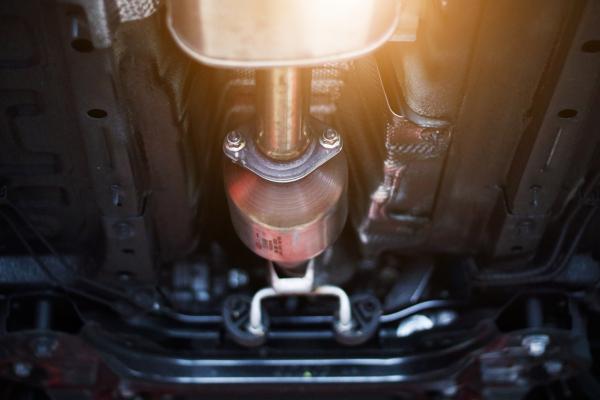
What Exactly Does a Catalytic Converter Do?
Think of your Jeep’s catalytic converter as a built-in pollution filter. Its job is to convert harmful exhaust gases—like carbon monoxide and hydrocarbons—into less harmful stuff like water vapor and carbon dioxide. It’s a key player in your emissions system, and it helps keep both your engine and the environment happy.
Most modern Jeeps, whether it’s a Wrangler, Cherokee, or Grand Cherokee, have sophisticated catalytic converters designed to handle rough terrain and city driving alike. But even the toughest systems wear out over time—especially with Idaho’s mix of dust, snow, and elevation changes in places like Meridian.
Common Symptoms of Jeep Catalytic Converter Problems
Alright, now let’s get into what you really came here for: how to know when your catalytic converter is causing trouble.
Check Engine Light Won’t Go Away
This one’s the most common (and frustrating). Your check engine light might flick on for any number of reasons, but codes like P0420 or P0430 are often tied directly to catalytic converter efficiency. If you’ve cleared the code and it keeps coming back—yep, it could be your converter.
Strange Rattling or Metallic Noises
If you hear something that sounds like loose gravel or marbles shaking inside a metal box when you start your Jeep or idle, that’s a red flag. It usually means the ceramic inside the catalytic converter has broken apart—a clear sign it needs replacement.
That Awful “Rotten Egg” Smell
Smelling something like sulfur or rotten eggs? That’s unburned fuel reacting with the converter’s chemicals. Not only does it stink, but it’s also a strong indicator your converter is struggling to do its job.
Sluggish Acceleration or Rough Performance
Your Jeep should respond when you hit the gas. If it feels like it’s dragging, struggling to get up to speed, or bogs down going uphill, you might have a clogged converter restricting exhaust flow.
Lower Gas Mileage
Filling up more often? A faulty converter makes your engine work harder, and that burns more fuel. If you’re seeing a drop in MPG around Meridian, where traffic and terrain can already be tough on fuel economy, it’s worth getting checked out.
Why Ignoring Catalytic Converter Issues Can Cost You
Here’s the deal—if you ignore early signs of Jeep catalytic converter problems, you’re setting yourself up for more serious trouble down the road.
Not only could you damage your Jeep’s engine, but you also risk failing emissions tests (yes, Meridian does require them in certain cases). And if your converter gets totally blocked, your Jeep might not start at all.
Even worse? If the root cause—like a misfiring engine or leaky injector—isn’t fixed, a new converter could fail just as quickly as the old one. That’s why it’s so important to fix the problem at the source.
What Causes Catalytic Converters to Go Bad?
Great question—and one we hear often. Here are the usual suspects:
- Engine misfires – Unburned fuel heats up the converter and damages the ceramic core.
- Oil or coolant leaks – These can coat the inside of the converter, making it useless.
- Faulty sensors – If the upstream or downstream oxygen sensors are giving bad readings, your engine may run rich (too much fuel), damaging the converter.
- Long-term wear and tear – They’re designed to last a long time, but high mileage, stop-and-go driving in Meridian, and harsh weather can speed up the wear.
How to Fix Jeep Catalytic Converter Problems
Now for the good part—how to fix it. The solution depends on the cause, so let’s walk through the options:
Step 1: Run a Diagnostic
A full scan using a professional tool will pull codes and let your mechanic see what’s really going on. This helps separate converter issues from sensor problems or exhaust leaks.
Step 2: Check Sensors and Engine Condition
If it’s a sensor, great! You’ve saved yourself hundreds. A simple sensor replacement or wire repair may solve the issue. If your engine’s misfiring or running rich, that’s gotta be fixed first.
Step 3: Replace the Catalytic Converter (If Needed)
Sometimes the converter is too far gone. In that case, a replacement is the only fix. Just make sure you’re getting a quality part that meets local emissions standards—especially here in Idaho.
Step 4: Tune-Up or Fuel System Service
This step’s often overlooked, but it’s key. Cleaning fuel injectors, replacing spark plugs, and checking air-fuel ratios will help extend the life of your new converter—and keep your Jeep running strong.
A Real Example: Jeep Grand Cherokee in Meridian
A customer recently brought in a 2017 Jeep Grand Cherokee that had lost power on the freeway. The check engine light was on, and it smelled like burning rubber. A quick scan showed a P0430 code.
We found the catalytic converter was clogged due to unburned fuel caused by a bad injector. After replacing both the injector and the converter—and running a full engine tune—we got the Jeep back on the road the same day. Performance? Back to normal. Fuel mileage? Improved. No warning lights in sight.
Supporting Data: Why Early Repair Pays Off
Let’s talk numbers:
- The average cost to replace a catalytic converter ranges from $1,000 to $2,500 depending on model and parts.
- Ignoring the issue can damage the engine or exhaust system, tacking on $3,000+ in additional repairs.
- Early sensor repair or fuel system service? Often under $400.
- According to CarMD, catalytic converter issues are the most common reason for checking engine lights nationwide.
Moral of the story? Get it checked early—it could save you a small fortune.
Wrapping It All Up
When it comes to Jeep catalytic converter problems, the symptoms are often right under your nose—literally. Whether it’s poor performance, weird smells, or a pesky check engine light, these are your Jeep’s way of saying, “Hey, something’s not right.”
And if you’re in Meridian, ID, you’re in luck. At John’s Auto Care Center, we’re ASE Blue Seal of Excellence certified, which means we meet the highest standards for technical know-how and customer care. We’ve helped countless Jeep owners in the area get back on the road quickly and affordably—without the scare tactics or upsells.
Want peace of mind? Give us a call to schedule your Jeep inspection—we’re here to help, not to sell.
FAQs About Jeep Catalytic Converter Problems
1. Is it okay to keep driving with a bad catalytic converter?
In the short term, maybe. But long term? Not a great idea. A failing converter can cause engine damage, reduce performance, and even prevent your Jeep from passing emissions testing in Meridian. It’s best to get it looked at soon.
2. What triggers catalytic converter failure in Jeeps?
The big ones are misfires, rich fuel mixtures, and leaky injectors or valves. These push unburned fuel into the converter, which causes overheating and breakdown. Regular maintenance goes a long way.
3. How can I tell if it’s a sensor or the converter?
That’s where diagnostics come in. A shop with a good scan tool can read data from your Jeep’s sensors to determine which component is acting up. Guessing can cost you extra—let the data lead the way.
4. Can I use aftermarket catalytic converters on my Jeep?
Yes, but be cautious. Some cheap aftermarket parts don’t meet emissions standards and can cause repeat failures. Stick with reputable brands and have it installed by a trusted shop in Meridian.
5. Are Jeeps common targets for catalytic converter theft?
Unfortunately, yes. Their ground clearance makes it easy for thieves to slide under and cut the part out. If you’ve recently had yours replaced after theft, be sure it was done right with a quality part.