If you’re living in Meridian, ID and relying on your Jeep to get you up the mountain or across town, knowing when and how to take care of your timing belt can save you from some serious headaches.
One of the most overlooked yet critical maintenance tasks is replacing your Jeep timing belt. It might not seem urgent—until it snaps, and suddenly you’re dealing with a stalled engine or worse. If you’ve never thought much about your timing belt before, don’t worry. You’re not alone, and that’s exactly why this guide exists.
Let’s walk through what the timing belt does, when to replace it, how the process works, and why it’s so important—especially in a place like Idaho, where reliability really matters.
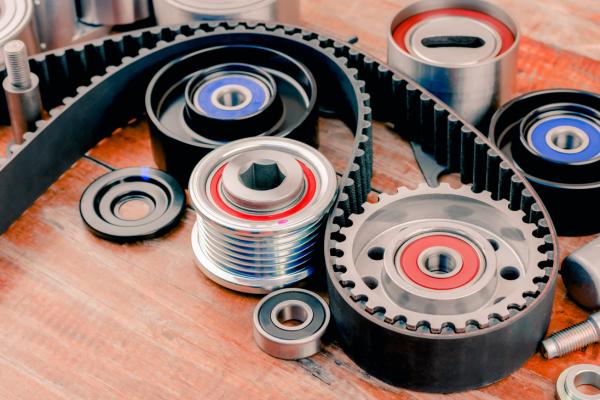
What Exactly Is a Timing Belt, and Why Should You Care?
Your Jeep’s timing belt is like the conductor of a mechanical orchestra. It keeps your engine’s camshaft and crankshaft in perfect sync, so the valves open and close at just the right time. Without it, the whole thing falls apart—literally.
A worn or broken timing belt can lead to:
- Engine misfires
- Ticking noises
- Loss of power or stalling
- Full engine failure in severe cases
It’s especially critical for Jeep models with interference engines. In these setups, if the timing is off even a little, valves and pistons can collide, causing catastrophic internal damage. That’s a repair nobody wants to deal with on the side of I-84 or during a weekend trail run.
When Should You Replace Your Jeep Timing Belt?
Timing belts don’t last forever. In fact, they have a pretty predictable lifespan.
For most Jeep models, that’s somewhere between 60,000 and 100,000 miles. That range depends on your engine type, how you drive, and the environment you’re in (hello, Meridian dust and altitude). Check your owner’s manual for the exact interval, but here’s a good rule of thumb:
If you’re pushing 90,000 miles and you’ve never replaced it, it’s time to start planning. You should also replace your belt sooner if:
- You hear ticking or slapping noises from the engine
- Your engine has trouble starting or stalls while running
- The belt looks cracked, worn, or shiny (a mechanic can inspect this)
- You’re already in there replacing the water pump
What Happens During a Timing Belt Replacement?
Let’s be honest—this is not a quick oil change or a weekend DIY job. Timing belt replacement is a pretty involved procedure, and it needs to be done just right. Here’s a general idea of what’s involved:
- Disassembly: The mechanic removes various engine covers, accessory belts, and sometimes engine mounts to access the timing components.
- Inspection: They check the belt, pulleys, tensioner, and water pump (which often runs on the same system).
- Replacement: The old belt and worn components are swapped out for new, high-quality parts.
- Realignment: Everything is timed precisely to factory specs.
- Testing: Once buttoned up, the engine is tested to ensure smooth operation.
It usually takes 3–6 hours, depending on your model. Labor costs vary in Meridian, but you’re typically looking at $600–$1,000, which is far less than the $4,000+ price tag of an engine rebuild.
Benefits of Replacing Your Jeep Timing Belt
Let’s break it down: You’re spending some money upfront, but in return, you get:
- Peace of mind: You’re not driving around with a ticking time bomb under the hood.
- Better performance: Your Jeep will run more efficiently when timing is spot on.
- Improved fuel economy: Your engine doesn’t have to work as hard.
- Avoided damage: You’re preventing possible engine failure—one of the most expensive repairs out there.
In short, it’s one of those maintenance tasks that’s way cheaper and easier to do before it becomes a problem.
Real Case from Meridian, ID: Timing Belt Saved Just in Time
A Jeep Liberty owner rolled into a local shop in Meridian after hearing a ticking sound while driving through the foothills. The SUV had just under 90,000 miles on it and had never had the timing belt checked. Turns out, the belt was just beginning to shred—one more road trip and it might’ve snapped entirely.
Because they caught it early, the shop replaced the belt, tensioner, and water pump in a single visit. The engine lived to see another day, and the customer avoided thousands in potential repairs.
What the Data Says About Jeep Timing Belts
Timing belts are one of the most failure-prone components in high-mileage vehicles. A 2023 Consumer Reports study found that vehicles with over 90,000 miles and original timing belts were 40% more likely to suffer engine failure. Data from the CarMD Vehicle Health Index also lists timing system failures among the top five most expensive engine-related repairs, averaging $2,200 to $4,000 .
Why It Matters Even More in Meridian, ID
Local conditions can affect how quickly your timing belt wears out. Hot summers, cold winters, dust from backroads, and elevation changes all take a toll on your engine. If your Jeep is your daily driver and your weekend warrior, your timing belt is putting in serious work.
Mechanics in Meridian who understand the local climate can better assess your belt’s condition and help you plan replacements before issues arise.
Next Step? Don’t Wait for Trouble
If you’re unsure when your timing belt was last replaced—or if you even have one (some newer models use timing chains)—schedule an inspection. Even a quick look can give you clarity and prevent surprise breakdowns. Whether your Jeep’s pushing high mileage or you’re just playing it safe before a road trip, getting that peace of mind is worth it.
For expert advice and reliable service you can trust, the team at John’s Auto Care Center in Meridian, ID is ready to help. With ASE-certified technicians and the Blue Seal of Excellence, you know your Jeep is in good hands. Schedule a quick timing belt check to keep your Jeep running strong.
Frequently Asked Questions
1. Does my Jeep have a timing belt or timing chain?
It depends on the model and year. Many older Jeep models, like certain Wranglers and Liberties, use timing belts. Newer models are more likely to have timing chains, which typically last longer and require less frequent service. The best way to know is to check your owner’s manual or ask a trusted mechanic.
2. What happens if my timing belt breaks while driving?
If your Jeep has an interference engine (many do), a broken timing belt can cause the pistons and valves to collide. That kind of damage can ruin your engine completely, resulting in thousands in repair costs. Even in non-interference engines, your vehicle will stall and leave you stranded. It’s never worth the risk.
3. Can I replace the timing belt myself?
Technically, yes—but it’s not recommended unless you have advanced mechanical skills, the right tools, and plenty of patience. Timing belt replacement requires precise alignment. A small mistake can lead to major engine damage. Most people are better off leaving this one to certified professionals.
4. Should I replace the water pump at the same time?
Absolutely. In most Jeeps, the timing belt drives the water pump. Since you’ll already be deep into the engine, it makes financial sense to replace both at once. That way, you won’t have to pay for the same labor again down the road if the pump fails.
5. How do I know the shop I’m going to is qualified?
Look for ASE-certified technicians and shops that have earned the Blue Seal of Excellence. This means they’ve met rigorous standards and are committed to quality. Reading local reviews and asking for service warranties can also help you choose wisely.