Your Jeep is built for adventure—but when it struggles to start, stalls unexpectedly, or loses power on the way up Eagle Road, it’s clear something’s not right. One of the most common (and often overlooked) culprits? A failing fuel pump. If you’re a Jeep owner in Meridian, ID, knowing when and how to handle a Jeep fuel pump replacement could save you from being stranded—or worse, facing bigger engine trouble.
Let’s walk through the warning signs, the replacement process, and how to keep your ride running like new, whether you’re commuting across town or heading off-road.
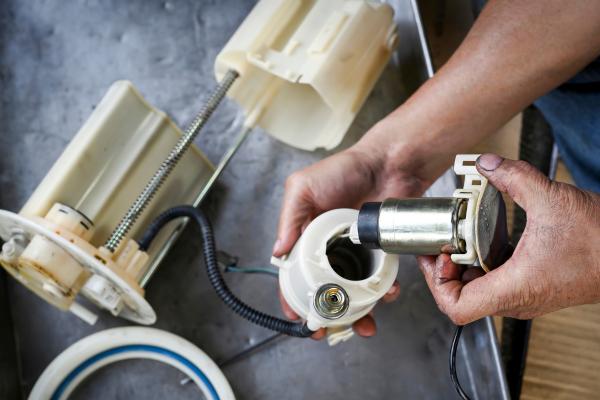
What Does the Fuel Pump Do?
Let’s break it down simply: your Jeep’s fuel pump delivers gasoline from the tank to the engine. It has to do this consistently and at the right pressure for the engine to run smoothly. Without it, the engine doesn’t get the fuel it needs, and it either won’t start, will stall, or will run poorly.
In most modern Jeeps, this component is an electric fuel pump located inside the fuel tank. It’s not a part that needs regular replacement, but over time, it can wear out just like anything else. And when it does, you’ll notice.
Common Signs Your Jeep’s Fuel Pump Is Going Out
So, how do you know when your fuel pump is the problem? Great question. Most Jeep owners in Meridian report the following symptoms:
1. Slow starts or no start at all
- If your Jeep cranks but won’t fire up—or takes longer than usual—it might be struggling to get enough fuel.
2. Loss of power under load
- Going uphill, towing, or accelerating hard? A weak fuel pump may not be able to keep up with fuel demand, causing lag.
3. Engine sputtering or jerking
- If your Jeep feels like it’s hesitating or stumbling while driving, inconsistent fuel delivery could be the issue.
4. Frequent stalling
- Especially while idling or in hot weather. A pump that’s failing might cut out intermittently.
5. Unusual noises
- A whining or humming noise from the fuel tank can be your pump’s way of crying for help.
Sound familiar? If you’re experiencing one or more of these, it’s a good idea to have your fuel system checked out before things get worse.
The Jeep Fuel Pump Replacement Process
Replacing the fuel pump isn’t exactly a “quick fix,” but it’s very doable—especially with the right tools and know-how. Here’s a look at how it’s done:
1. Start with a proper diagnosis
- A technician will test your Jeep’s fuel pressure and inspect for other possible causes (like clogged filters or sensor issues) before jumping to conclusions.
2. Lift and prep the vehicle
- Your Jeep is raised safely, and the fuel tank is drained and supported to allow access.
3. Remove the fuel tank
- This involves disconnecting fuel lines, the filler neck, and electrical wiring. It’s a meticulous process, but necessary to reach the pump inside the tank.
4. Swap the pump
- Once the tank is out, the old pump is removed and replaced with a new unit, often including a new fuel strainer and gasket.
5. Reinstall and test
- The tank goes back in, everything gets reconnected, and the system is tested for proper pressure and leak-free operation.
While some DIY mechanics can take this on, many Jeep owners prefer to have a pro handle it, especially since the job involves working with fuel and electrical components in tight spaces.
What Happens If You Ignore a Bad Fuel Pump?
We get it—nobody wants to rush into a repair. But putting off a Jeep fuel pump replacement can lead to bigger headaches, like:
- Complete engine failure to start
- Sudden stopping while driving
- Damage to the catalytic converter (from running lean)
- Increased stress on your ignition system
If you rely on your Jeep to get you around Meridian or take you out exploring Idaho’s beautiful backroads, you don’t want to risk being stranded somewhere. Catching the issue early gives you time to plan and budget for the fix.
Local Case: Jeep Wrangler in Meridian, ID
Let’s talk about one real-world example.
A local driver brought in their 2013 Jeep Wrangler after it started sputtering every time they hit a red light. At first, they thought it was just old gas or a dirty injector. But after running a full fuel system check, we found the pump was delivering erratic pressure, barely half of what the engine needed.
After replacing the fuel pump and filter, the difference was immediate. No more stalling, better throttle response, and improved fuel efficiency. The customer said it felt like driving a new Jeep again.
How Much Does a Jeep Fuel Pump Replacement Cost?
Here in Meridian, ID, most Jeep fuel pump replacements fall somewhere between $650 and $1,100. The range depends on the year, model, and whether you’re using OEM or aftermarket parts. Labor is a big part of the cost, since dropping and reinstalling the fuel tank takes time and care. Still, it’s worth it for the peace of mind and improved performance.
A quick note on parts: while budget options exist, we usually recommend sticking with quality pumps. Cheap components often don’t last, and the last thing you want is to replace the same part twice.
How Long Should a Jeep Fuel Pump Last?
Most fuel pumps in modern Jeeps will last 100,000 to 150,000 miles, especially if:
- You don’t run the tank near empty too often
- You use decent-quality fuel
- Your vehicle is well-maintained overall
Letting your tank run dry can cause the pump to overheat. The pump cools itself using the fuel, so keeping at least a quarter-tank of gas in your Jeep isn’t just smart—it helps extend the life of the pump.
Data Snapshot: Fuel Pump Failure Trends
According to national automotive data:
- Fuel pumps account for over 10% of no-start diagnoses in vehicles over 8 years old.
- Low fuel levels are a leading cause of premature pump wear.
- Replacing a fuel pump early often prevents $500–$1000 in collateral engine damage later.
That’s something worth keeping in mind next time your Jeep struggles to start.
Don’t Let a Fuel Pump Sideline Your Jeep
Fuel pumps aren’t flashy, but they sure are essential. If your Jeep’s been acting up around Meridian, ID, it’s worth taking a closer look before a small issue turns into a big inconvenience. Not sure if it’s the fuel pump? That’s okay. Sometimes it just takes a second set of experienced eyes. The team at John’s Auto Care Center is here to help with honest answers and zero pressure. Feel free to give us a quick call—it might just save you a headache down the road.
FAQs: Jeep Fuel Pump Replacement
1. How long does it take to replace a fuel pump in a Jeep?
On average, fuel pump replacement takes 2 to 4 hours, depending on the model and condition of the fuel tank and lines. Some Jeeps have extra shielding or off-road packages that require additional steps, so labor times can vary.
2. Can I drive my Jeep with a bad fuel pump?
It might still run for a while, but it’s risky. A failing fuel pump can lead to sudden stalling, which is especially dangerous in traffic or on remote roads. Driving it also risks damaging your engine over time due to improper fuel delivery.
3. Is fuel pump failure common in Jeeps?
It’s not the most common issue, but it’s not rare either, especially once you hit 100,000 miles. Jeeps used off-road or in harsh conditions may see earlier wear, so it’s smart to stay on top of any symptoms.
4. Will my check engine light come on if the fuel pump is failing?
Not always. If it does, it might show codes related to lean fuel conditions or misfires. That’s why pressure testing and inspection are crucial—some symptoms don’t throw a code until the pump is nearly done for.
5. Do I need to replace anything else when replacing the fuel pump?
Often, mechanics recommend replacing the fuel filter (if it’s separate), the strainer, and sometimes the tank seal or gasket. These are low-cost parts that help ensure the new pump operates at its best and lasts longer.