Got a weird hissing sound coming from under your Jeep? Maybe you’re smelling exhaust fumes when you shouldn’t be, or your fuel mileage is dropping for no clear reason. If any of that sounds familiar, you might be dealing with an exhaust leak. And you’re not alone—repairing Jeep exhaust leaks is something many Jeep owners in Meridian, ID, will deal with at some point, especially if you love hitting the trails or dealing with tough seasonal conditions.
Let’s walk through what these leaks are all about, how to spot them, and what you can do to fix them before things get worse.
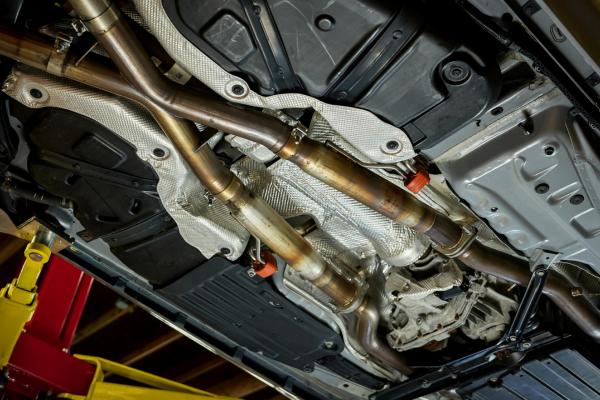
What Exactly Is an Exhaust Leak?
An exhaust leak happens when there’s a crack, hole, or failed seal somewhere along your Jeep’s exhaust system. That system runs from the engine to the tailpipe, and it’s responsible for pushing out the gases your engine produces. If there’s a leak, those gases escape too early, and that can cause some serious problems for both your vehicle and your health.
Your exhaust system includes several parts: the manifold, catalytic converter, muffler, and the pipes connecting them. Damage or wear to any of these areas can lead to leaks, especially in off-road-heavy or high-mileage Jeeps.
How to Tell If Your Jeep Has an Exhaust Leak
So, how do you know if you’re dealing with an exhaust leak? Here are a few telltale signs:
- Strange Noises: If your Jeep sounds louder than usual—think hissing, ticking, or rumbling—especially when you accelerate, that’s often the exhaust escaping through a crack.
- Smell of Exhaust in the Cabin: That’s a big red flag. You should never smell exhaust inside your Jeep. It could mean fumes are leaking under the hood or beneath the floor.
- Less Power and Lower Gas Mileage: A leak can throw off your engine’s oxygen sensors, making it burn more fuel than necessary.
- Unusual Vibrations: If your gas pedal, steering wheel, or even your seat vibrates when the engine is running, it could be due to a loose or damaged exhaust pipe.
- Check Engine Light: In newer Jeeps, leaks often trigger a warning light due to issues with air/fuel sensor readings.
If you’re in Meridian, ID, and notice any of these symptoms, it’s time for a closer look.
Common Causes of Exhaust Leaks in Jeeps
There are a few reasons why exhaust leaks tend to show up more often in Jeeps:
- Rust and Corrosion: Between Idaho winters and summer trail dust, moisture, and grime take a toll on metal parts over time.
- Off-Road Adventures: Those bumpy backroads and rocky paths can easily knock loose a clamp or crack a pipe.
- Worn Gaskets: The seals between exhaust components wear down gradually and eventually let gases escape.
- Aftermarket Modifications: Not all mods are installed equally—sometimes, new exhaust setups aren’t sealed properly.
DIY Guide: Finding an Exhaust Leak on Your Jeep
You don’t always need fancy tools to spot an exhaust issue. Here’s how you can investigate safely at home:
- Start with Your Ears: Crank the engine and listen carefully around the engine bay and along the exhaust. Hissing or popping usually points to a leak.
- Visual Inspection: Look for black soot, rust, or visible cracks around the pipes, manifold, and joints.
- Soapy Water Trick: Mix dish soap with water and spray it on connections and suspected areas. Bubbles will appear where gas is escaping.
- Tailpipe Block Test: Carefully (and briefly) plug the tailpipe with a rag while the engine is running. If you hear hissing elsewhere, you’ve got a leak.
Important: Always work with a cold engine and ensure good ventilation to avoid burns or fumes.
Repairing Jeep Exhaust Leaks: Your Options
Okay, so you’ve found the leak. Now what? Here are the most common fixes for repairing Jeep exhaust leaks:
- Exhaust Tape or Paste: Good for minor, temporary fixes. Not a long-term solution, but it can get you by.
- Gasket or Clamp Replacement: If a seal is worn or a clamp is loose, these parts are generally easy and inexpensive to replace.
- Welding or Pipe Replacement: For larger cracks or full breaks, welding is the way to go. A shop can cut out the damaged area and weld in a new piece.
- Full System Replacement: If your exhaust is heavily corroded or damaged in multiple spots, replacing the entire system might be smarter (and more cost-effective in the long run).
Why You Shouldn’t Wait to Fix That Leak
Delaying the repair of an exhaust leak might seem like no big deal, but here’s why you shouldn’t ignore it:
- Fuel Economy Takes a Hit: A leaky exhaust means inaccurate sensor readings, which can cause your engine to use more fuel than it should.
- Loss of Power: Your Jeep might feel sluggish because it’s not operating efficiently.
- Carbon Monoxide Exposure: This is a major health hazard. If fumes are leaking into the cabin, it’s dangerous for anyone inside.
- Failed Emissions Testing: If your Jeep’s emissions are out of spec, you could fail your inspection, especially relevant for drivers in Meridian, ID.
Real-World Example: Exhaust Leak in a Jeep Wrangler
We once saw a 2014 Jeep Wrangler come into the shop from a Meridian local who noticed a weird smell and some extra noise. Turns out, the flex pipe before the catalytic converter was rusted and leaking. A simple weld job took care of it, and they were back on the road the same day. Not only did it quiet down the ride, but they saw a noticeable bump in fuel efficiency.
These kinds of fixes are pretty common, especially in areas like ours with a mix of off-road fun and rough seasonal conditions.
Data That Backs It Up
- AAA reports that nearly 20% of vehicles on the road have undercarriage damage, often leading to exhaust problems.
- According to the EPA, a leaking exhaust can greatly increase your vehicle’s harmful emissions.
- CarMD notes that exhaust system issues are one of the top reasons vehicles trigger check engine lights.
Bottom line: This isn’t just a minor annoyance—it’s a safety and performance issue that needs attention.
A Quiet Jeep Is a Happy Jeep
Repairing Jeep exhaust leaks might not be the most glamorous part of ownership, but it’s one of the most important. From safety concerns to fuel savings and emissions compliance, fixing these problems early can save you a lot of stress (and money) down the road.
If you’re in the Meridian, ID area and suspect an issue, now’s the time to act. John’s Auto Care Center offers professional inspections and repairs with no pressure and honest advice. If you’re unsure about that noise or smell coming from your Jeep, it might be worth letting a pro take a quick look. Feel free to reach out for a friendly, no-pressure inspection—we’re here to help when you need it.
FAQs: Repairing Jeep Exhaust Leaks
1. Can I drive my Jeep with an exhaust leak?
Technically, yes. But that doesn’t mean you should. Exhaust leaks can make your engine work harder, reduce your fuel economy, and even expose you to toxic gases. If you think there’s a leak, it’s best to get it checked out quickly.
2. How much does it cost to repair a Jeep exhaust leak?
It depends on the problem. Simple gasket replacements might be under $100, while welding or replacing sections of pipe can run $200 to $600. More serious cases requiring a full system replacement could go over $1,000. A local inspection is the best way to get an accurate estimate.
3. What causes that rotten egg smell in my Jeep?
That smell usually means there’s a problem with the catalytic converter or you’re dealing with a fuel-rich mixture due to a leak. Either way, it’s a sign that something in your exhaust system isn’t right.
4. Can an exhaust leak affect how my Jeep drives?
Definitely. A leak can confuse the engine sensors, making your fuel mixture less efficient. That means lower performance, higher fuel use, and even potential misfires or rough idling.
5. How often should I check my exhaust system? Once or twice a year is a good rule of thumb, especially after a season of off-roading or winter driving. A quick look underneath and a few minutes listening to your engine can save you big on future repairs.