


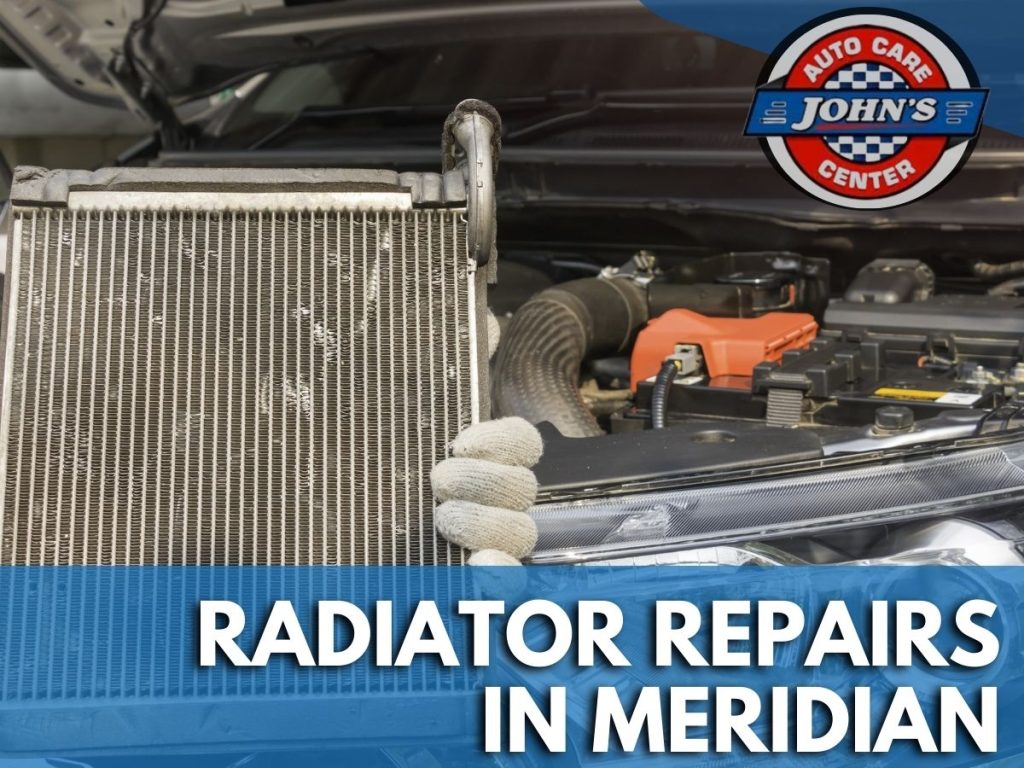
Understanding the Importance of a Healthy Radiator
A properly functioning radiator is essential for keeping your car’s engine cool and running smoothly. As the heart of your vehicle’s cooling system, your radiator helps prevent overheating, which could lead to severe engine damage. However, like any mechanical component, radiators can encounter issues over time. Understanding the basics of radiator function, the signs of potential problems, and the necessary repairs can save you from costly repairs and prevent breakdowns.
In this post, we’ll dive deep into the common radiator issues, diagnostic tests, maintenance practices, and when to seek professional help for radiator repair in Meridian.
Common Radiator Problems
1. Leaks in the Radiator
One of the most common issues with radiators is leaks. These leaks can be caused by several factors, including corrosion, physical damage, or age. Small cracks can develop over time, particularly if the radiator has been exposed to extreme temperatures or the pressure from the coolant system.
How to Spot Leaks
- Puddles of Coolant: If you notice a green, orange, or pink puddle under your car after it’s been parked, this is likely coolant leaking from the radiator.
- Overheating: Leaking coolant can lead to insufficient cooling, causing your engine to overheat. If your car temperature gauge consistently reads high, it may indicate a leak.
Real-Life Example: A customer recently brought their vehicle to the shop with a consistent overheating problem. Upon inspection, we found a small crack in the radiator causing coolant to leak. Replacing the radiator solved the issue and saved the engine from further damage.
2. Corrosion in the Radiator
Corrosion is another common issue, especially in older radiators or those that have been poorly maintained. Corrosion happens when the coolant reacts with the metal parts inside the radiator, causing rust and degradation. Over time, corrosion can weaken the radiator and lead to cracks or leaks.
Signs of Corrosion:
- Rust or Brownish Coolant: The coolant in your system may turn a rusty color due to corrosion, signaling the presence of rust inside the radiator.
- Visible Rust on Radiator Surface: If you spot visible rust or flakes on the radiator, this is an indication of corrosion inside the system.
Diagnostic Tests for Radiator Issues
1. Pressure Testing
Pressure testing is one of the most effective ways to identify radiator leaks. This diagnostic procedure involves using a pressure pump to pressurize the radiator system. The technician then monitors for any pressure drops, which could suggest a leak within the system
2. Coolant Temperature Sensor Test
A malfunctioning temperature sensor may cause incorrect temperature readings, leading to overheating or undercooling. During this test, the technician will check if the sensor is functioning properly and provide accurate readings.
3. Visual Inspection
Sometimes, the most effective approach is a visual inspection. Technicians will examine the radiator and all associated components for cracks, leaks, corrosion, and any other visible signs of damage to the entire cooling system.
How to Maintain Your Radiator
Proper maintenance of your radiator can extend its lifespan and prevent costly repairs. Regular checks and routine maintenance can help keep your car running smoothly for years.
1. Regularly Check Coolant Levels
Low coolant levels can cause your radiator to overheat. Make it a habit to check the coolant level periodically. If it’s low, top it up with the appropriate coolant recommended for your vehicle model.
2. Flush the Radiator System
Flushing the radiator system every two years or as recommended by your vehicle manufacturer helps remove dirt, rust, and debris that can build up in the cooling system. This process helps maintain optimal radiator performance and prevents blockages.
3. Inspect Hoses for Cracks
Hoses carry coolant from the radiator to the engine. Over time, these hoses can crack or become brittle, leading to leaks. Regularly inspect the hoses for signs of wear and replace them as needed.
4. Keep the Radiator Free from Debris
Leaves, dirt, and insects can clog the radiator’s fins, preventing it from cooling properly. Use a hose to flush out any debris and keep the radiator clean to maintain efficiency.
When to Seek Professional Help
While some radiator issues, like low coolant levels, can be easily fixed by car owners, others require professional attention. If you notice any of the following signs, it’s best to seek a qualified mechanic’s help:
- Frequent Overheating: If your car continues to overheat despite topping up the coolant, it may be a sign of a more serious radiator issue that requires professional attention.
- Low Coolant Levels: If your coolant levels keep dropping despite refills, this could indicate a leak or a deeper issue with the radiator.
- Corroded or Damaged Radiator: If your radiator is severely corroded, cracked, or has multiple leaks, it may need to be replaced rather than repaired.
Real Customer Experience: A Typical Radiator Issue
Not long ago, a customer came in with a mid-2000s sedan experiencing consistent overheating issues. They had already checked the coolant levels but the problem persisted. After conducting a pressure test and coolant temperature sensor test, we found a hairline crack within the radiator. The customer was initially hesitant about the cost of replacement, but after explaining the risks of driving with a damaged radiator—such as engine failure—they opted for a new radiator.
It’s a scenario we see often. Radiators are often neglected until they cause major engine problems. Our job is to provide the information and advice so drivers can make the best decision for their vehicle.
Preventing Radiator Problems in Meridian
Your car’s radiator is vital to its health, and taking proactive steps to maintain it can save you from significant repair costs down the road. Regular inspections, coolant flushes, and timely repairs can help ensure your radiator functions efficiently and that your car remains on the road longer.
If you suspect an issue with your radiator, it’s best to get it checked sooner rather than later. Waiting too long can lead to more severe problems, including engine damage. Consult with a trusted auto repair shop in Meridian to keep your radiator in top condition.
FAQs About Radiator Repairs in Meridian
1. What are some signs that my radiator might need to be replaced?
Signs that your radiator may need replacement include consistent overheating, visible cracks or leaks, rust, and discolored coolant. A professional inspection and pressure test can confirm if replacement is necessary.
2. What is the recommended frequency for flushing my radiator?
It’s recommended to flush your radiator every 2 years or as specified in your vehicle’s owner manual. Flushing helps prevent debris build-up and keeps your cooling system running efficiently.
3. Is it safe to drive my car with a leaking cooling system?
It’s not advisable to drive with a leaking radiator. Leaks can cause your engine to overheat, leading to potential engine damage and costly repairs. Have it checked and repaired immediately.
4. Why is my coolant leaking from the radiator?
Coolant leaks can occur due to cracks in the radiator, damaged hoses, or corrosion inside the radiator. A pressure test can help pinpoint the exact source of the leak.
5. What is the typical cost of a radiator repair in Meridian?
The cost to repair your radiator will depend on how severe the problem is, but most repairs typically cost between $150 and $500. If you need to replace the radiator, the price can range from $300 to $1,200 depending on the make and model of your car.
