Ever heard a low humming or grinding noise coming from one of your Jeep’s wheels while cruising through Meridian, ID? That sound could be your vehicle’s way of telling you it’s time for a Jeep wheel bearing replacement. It’s a common issue—especially with the mileage, weather, and off-road conditions we see here in Idaho—but it’s also one that’s easy to ignore… until it’s not.
In this guide, we’ll walk you through what a wheel bearing actually does, why it matters, how to replace it (if you’re up for the task), and what to expect if you bring it into a shop. Just straight-up, helpful info from someone who’s gotten their hands dirty more than a few times under a Jeep.
What Exactly Is a Wheel Bearing?
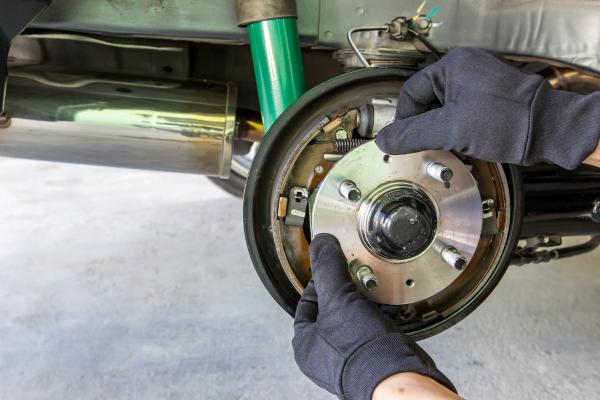
Let’s break it down real quick. Think of a wheel bearing as a bunch of tiny steel balls or rollers packed inside a metal ring, letting your wheel turn with ease. It lives inside the wheel hub and helps your wheels spin freely with minimal friction. When it starts to wear out—which happens naturally over time or faster if you’re doing a lot of off-roading—you’ll start hearing some not-so-subtle hints.
Here’s what you might notice:
- A grinding or humming noise that gets louder the faster you go
- Your Jeep pulling to one side, especially when braking
- Vibration in the steering wheel
- Uneven tire or brake pad wear
- An ABS light popping up on the dash
If any of those sound familiar, a Jeep wheel bearing replacement might be in your near future.
Why Wheel Bearings Wear Out (Especially Around Meridian, ID)
Jeep owners in Meridian deal with a unique combo of conditions: hot summers, icy winters, road salt, potholes, and for some folks, good old-fashioned Idaho backroads. All of that takes a toll on wheel bearings.
Water and road grime can sneak past the seals and contaminate the grease inside the bearing. When that happens, friction increases, and things go downhill fast. And unlike other parts, wheel bearings don’t give you a ton of time before they get dangerous. That’s why catching the symptoms early matters.
How to Replace a Jeep Wheel Bearing: A Step-by-Step Overview
Quick heads up: Depending on your Jeep model—Wrangler, Cherokee, Grand Cherokee, Gladiator, etc.—some bearings are press-fit into the hub while others come as a complete bolt-on assembly. For simplicity, let’s talk about the more common bolt-on type.
Step 1: Safety First
- Park on a flat surface.
- Loosen the lug nuts (don’t remove them yet).
- Jack up the Jeep and secure it with jack stands.
- Remove the wheel.
Step 2: Take Off the Brake Assembly
- Remove the brake caliper (hang it with a hook or bungee—don’t let it hang by the hose).
- Slide off the rotor.
- Take off any dust shields if present.
Step 3: Unbolt the Hub Assembly
- Locate and unplug the ABS sensor if your Jeep has one.
- Remove the bolts holding the hub to the steering knuckle. These bolts can be stubborn—rust and corrosion are pretty common here.
Step 4: Remove the Old Bearing
- You might need a mallet, hub puller, or a little heat to get it free.
- Clean the area thoroughly once it’s out. Dirt and debris can shorten the life of your new bearing.
Step 5: Install the New Bearing
- Line everything up and torque the bolts to spec.
- Reconnect the ABS sensor if applicable.
Step 6: Reassemble
- Put the rotor and caliper back on.
- Mount the wheel, hand-tighten the lug nuts, then lower the Jeep and torque them down.
When to DIY vs. When to Call in the Pros
Look, I get it—some folks love working on their Jeep in the garage, and there’s a lot of satisfaction in doing it yourself. But if you’re dealing with a pressed-in bearing, limited tools, or you’re just not 100% confident, it’s okay to let a trusted local shop handle it.
Pressed bearings need a hydraulic press to remove and install correctly. If you try to shortcut it, you risk damaging the new bearing before it even hits the road.
Also, if you’re hearing noise but aren’t sure which wheel it’s coming from, a mechanic can use tools like chassis ears or lift inspections to pinpoint the issue accurately.
The Benefits of Replacing That Bearing Now (Not Later)
Putting off a Jeep wheel bearing replacement might seem like no big deal, but here’s why it’s worth addressing sooner:
- Safety: A failed bearing can cause the wheel to lock up or even come off. That’s not something you want happening at highway speeds.
- Better Handling: A new bearing restores smooth, predictable steering.
- Longer Tire Life: Misalignment from a worn bearing eats up your tires fast.
- Fuel Efficiency: A dragging wheel means your engine’s working harder.
- Peace of Mind: That noise? Gone. That vibration? Gone. You’ll feel the difference.
A Real Jeep Case from Right Here in Meridian, ID
We had a local customer—let’s call her Anna—come in with a 2015 Jeep Cherokee. She said there was a loud rumbling sound that started around 40 MPH and got worse the faster she went. She had her tires checked at a different shop, but they couldn’t find anything.
Turns out, it was the front passenger wheel bearing starting to fail. We swapped it out, and the difference was immediate. Quieter ride, smoother turns, and her fuel mileage even improved a bit. Her only regret? Not getting it checked sooner.
What the Numbers Say
OEM wheel bearings are built to last around 85,000 to 100,000 miles, but that varies a lot depending on driving habits and conditions. If you’re regularly off-roading or driving through snow, salt, or heavy rain, you might see failures closer to the 70,000-mile mark.
And according to data from the National Highway Traffic Safety Administration, thousands of accidents occur each year due to wheel and suspension failures—including bearings. It’s one of those components you don’t think about… until it fails.
Ready to Get That Jeep Quiet Again?
If your Jeep is making strange noises or not handling quite right, don’t ignore it. A Jeep wheel bearing replacement might be all it takes to get your ride back in top shape. The good news? It’s a common fix and something a qualified technician can knock out quickly—especially if you’re local to Meridian, ID.
At John’s Auto Care Center, we’ve worked on every Jeep model under the sun and understand how to diagnose and replace wheel bearings the right way. Whether you’re not sure what the issue is or you’re just ready to get it handled, we’re here to help.
Think your wheel bearings might be worn? Give us a call to schedule an inspection — no pressure, no upsell, just honest advice and expert service.
Frequently Asked Questions
1. How do I know which wheel bearing is bad?
It’s not always easy to tell without lifting the vehicle and spinning each wheel by hand. In some cases, the sound might seem like it’s coming from one side, but the problem is on the opposite side. A trained technician can use listening tools or a test drive to isolate the issue accurately.
2. Is it dangerous to drive with a bad wheel bearing?
Yes, it can be. A failing wheel bearing can overheat, seize up, or even cause the wheel to detach from the vehicle. While you might be able to drive short distances at low speed, it’s not worth the risk—especially at highway speeds.
3. Can I replace just one wheel bearing or should I do both?
You can replace just the bad one, but if your Jeep has high mileage, it might make sense to do both sides on the same axle. Bearings tend to wear at similar rates, so if one has gone out, the other may not be far behind.
4. Do wheel bearings affect alignment?
Yes, indirectly. A bad wheel bearing can cause uneven tire wear and create play in the wheel, which leads to misalignment over time. That’s why it’s smart to get an alignment check after replacement.
5. What tools do I need to replace a Jeep wheel bearing at home?
You’ll need a jack, jack stands, a socket set, torque wrench, breaker bar, possibly a hub puller, and maybe even a hydraulic press depending on your model. It’s doable with the right tools and some patience, but not everyone has the gear—or the garage space—to tackle it.