Have you ever been on the road in Meridian, ID, when your Jeep started making a strange noise or pulling to one side? Owning a Jeep means embracing adventure, but it also comes with the responsibility of proper maintenance and timely repairs. Whether it’s a daily driver or your go-to off-road vehicle, understanding the basics of Jeep repair can help you avoid costly breakdowns. The more you know about your Jeep’s systems, the better equipped you are to recognize issues before they escalate.
Jeep models are known for their rugged build, but that durability doesn’t make them immune to wear and tear. Common issues like “death wobble,” electrical glitches, and 4WD problems can surface, especially in vehicles that see both highway and trail use. According to a recent AAA study, 35% of breakdowns could have been prevented with routine maintenance. Learning what causes common Jeep issues—and how to respond—can keep your vehicle running smoothly through Meridian’s seasonal changes.
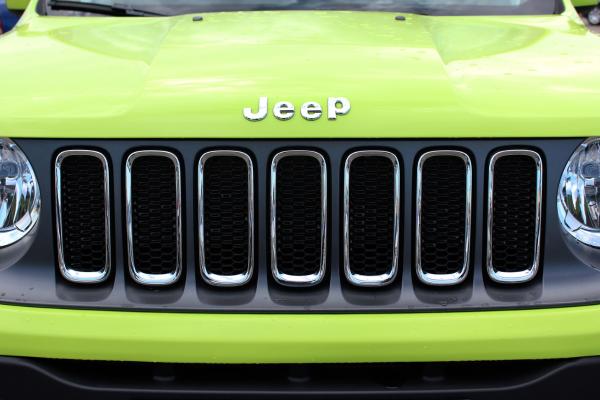
Why Jeep Repairs Require Specialized Knowledge
Jeeps have distinctive drivetrains, suspension setups, and off-road systems that aren’t always familiar to general mechanics. These vehicles often feature solid front axles, advanced transfer cases, and electronic 4WD controls that require specific diagnostic tools and experience. Misdiagnosing or overlooking a Jeep-specific problem can lead to repeated visits and unnecessary expenses.
Pro Tip: When choosing a shop for Jeep repair, ask if they use OEM-grade scan tools and have technicians experienced with your model’s unique components.
Common Jeep Problems (and How to Spot Them)
1. Death Wobble
One of the most notorious Jeep issues, this violent steering shake often happens after hitting a bump at highway speeds. It’s usually caused by worn or loose front suspension parts such as track bar bushings, tie rod ends, or ball joints.
- Signs: Sudden vibration in the steering wheel at certain speeds.
- Fix: Replace worn parts, torque fasteners to spec, and perform an alignment.
2. 4WD System Issues
A fully functioning four-wheel drive system is essential for off-road and winter driving in Idaho. Problems can range from worn gears to faulty actuators.
- Signs: Difficulty engaging 4WD, grinding noises, dashboard warnings.
- Fix: Inspect transfer case, check fluid condition, replace damaged parts.
3. Oil Leaks from Rear Main Seal
Older Jeep engines, like the 4.0L inline-six, are particularly prone to oil leaks from the rear main seal.
- Signs: Oil spots under the vehicle, especially near the transmission bellhousing.
- Fix: Remove transmission and replace the seal—labor-intensive but necessary to prevent engine wear.
4. Overheating
Idaho summers and off-road climbs can stress your cooling system. Overheating can cause serious engine damage.
- Signs: Temperature gauge rising, coolant loss, steam under hood.
- Fix: Flush cooling system, replace thermostat or radiator as needed.
5. Electrical Glitches
Modern Jeeps have complex electrical systems that can suffer from wiring corrosion, faulty modules, or failing alternators.
- Signs: Random warning lights, power window or lock failures.
- Fix: Perform a scan with Jeep-specific software, repair or replace faulty wiring/modules.
Jeep Repair Diagnostics and Fixes
Accurate Jeep repair starts with a systematic diagnostic process tailored to the brand’s unique systems. Many Jeep models require OEM-level scan tools to read brand-specific fault codes and interact with modules like the TIPM (Totally Integrated Power Module), transmission control, and 4WD systems.
Key Steps in a Professional Jeep Diagnostic:
- Interview & Symptom Review – Document recent repairs, driving conditions, and specific problem behaviors.
- Computerized Scan – Use Jeep-specific software to retrieve stored and pending trouble codes.
- System Testing – Physically test related parts—whether that’s checking suspension joints, pressure testing cooling systems, or probing electrical circuits.
- Road Test Confirmation – Replicate the issue under real driving conditions to verify the problem before beginning repairs.
Typical Fixes for Common Jeep Issues:
- Death Wobble – Replace worn suspension components, re-torque bolts, perform a precision alignment.
- 4WD Engagement Failure – Adjust linkage, replace faulty actuators, and change transfer case fluid.
- Oil Leaks – Install new seals and gaskets; inspect crankcase ventilation for excess pressure.
- Overheating – Replace water pump, radiator, thermostat, or hoses; flush coolant.
- Electrical Problems – Clean connectors, replace damaged wiring or modules, apply corrosion protection.
By combining targeted diagnostics with Jeep-specific repair strategies, you save time, avoid unnecessary parts replacement, and keep your vehicle in peak condition.
The Jeep Repair Process
When your Jeep needs attention, a quality repair process should look like this:
- Conversation & Road Test – Discuss your concerns and let the technician drive to experience the problem.
- Detailed Diagnostic Scan – Pull trouble codes using professional Jeep-specific tools.
- Mechanical Inspection – Check every related system for visible or measurable damage.
- Transparent Estimate – Provide a clear cost breakdown for parts and labor.
- Expert Repair & Testing – Complete the repairs and verify the fix under various driving conditions.
Real-World Example: Tackling the Death Wobble
A local Jeep owner came in after experiencing severe steering shake on I-84 near Meridian. They had recently taken their Wrangler on a weekend off-road trip in the Owyhees. After inspection, we found worn track bar bushings, loose tie rod ends, and an alignment far out of spec. Once replaced and aligned, the steering returned to normal, eliminating the wobble entirely.
Why Timely Jeep Repairs Save Money
Neglecting small repairs can quickly lead to major expenses:
- Ignoring an oil leak can result in engine failure.
- Delaying suspension repairs can damage tires and steering components.
- Overheating can warp cylinder heads, requiring costly replacements.
In Meridian, ID, where seasonal changes bring snow, rain, and heat, staying ahead of repairs is especially important.
Data-Backed Insights on Jeep Maintenance
- Consumer Reports consistently ranks certain Jeep models—like the Wrangler—below average for overall reliability, citing issues with ride quality, fuel economy, and repairs. However, these same models are praised for their off-road capability and versatility.
- AAA reports that many roadside breakdowns—such as dead batteries, flat tires, and overheating—are preventable with regular maintenance. While AAA does not provide an exact percentage, they emphasize that proactive care significantly reduces the risk of mechanical failure.
- According to CarMD’s 2024 Vehicle Health Index, the average check-engine-light-related repair in the U.S. costs $415.31. Costs can be higher for complex systems like transmissions, 4WD components, or suspension work, depending on parts and labor.
- Off-road maintenance experts recommend inspecting your suspension, driveline, and undercarriage after every trail run—especially in rugged areas like Idaho’s Owyhee Mountains—to catch damage early and maintain safe performance.
Building Trust Through Transparency
Jeep owners value self-reliance, but even the most capable DIYers need a trusted shop for complex work. A transparent repair shop will explain problems clearly, show you worn parts, and give you honest options for repair or replacement. This approach builds confidence, reduces stress, and keeps you in control of your Jeep’s care.
Stay Road and Trail Ready With Pro Jeep Repairs
Keeping your Jeep adventure-ready means knowing when to handle maintenance yourself and when to get expert help. In Meridian, ID, you can turn to John’s Auto Care Center for specialized Jeep repair services—whether it’s diagnosing a stubborn check engine light, overhauling your suspension, or servicing your 4WD system. We offer:
- Engine and transmission repairs
- Suspension and steering work
- Brake and cooling system service
- Electrical diagnostics and repairs
If your Jeep is showing signs of trouble, scheduling an inspection now could save you from bigger repairs later. Call today to arrange your appointment and keep your Jeep ready for the road and trail.
Frequently Asked Questions
1. How often should I service my Jeep in Meridian, ID?
Most Jeep models need oil changes every 5,000–7,500 miles and tire rotations every 6,000 miles. If you are off-road, check suspension and driveline parts more often.
2. What’s the average cost for Jeep repair?
Costs range from under $200 for small fixes to over $2,000 for major drivetrain work. The best way to know is to get a detailed estimate after diagnosis.
3. Can I drive my Jeep if the check engine light is on?
It depends—minor emissions issues may allow short-term driving, but overheating or misfiring requires immediate attention. Always scan codes promptly.
4. Why is my Jeep pulling to one side?
Usually caused by alignment issues, worn suspension parts, or uneven tire wear. A shop can correct it with alignment and part replacement.
5. Do I have to go to a dealership for Jeep repair?
No—independent shops with Jeep experience can perform the same work using OEM-quality parts, often with more personalized service.