There’s nothing quite like the sound of a Jeep tackling Idaho’s rugged backroads—until that sound turns into a mysterious clunk, whine, or grind. If you’re hearing unusual drivetrain noises while driving through Meridian, ID, don’t ignore them. These warning signs can point to deeper mechanical issues, and a timely Jeep drivetrain noise diagnosis could be the difference between a simple fix and a costly repair. As a Jeep owner, you know how vital your drivetrain is to performance—let’s dive into what those noises really mean and how to deal with them.
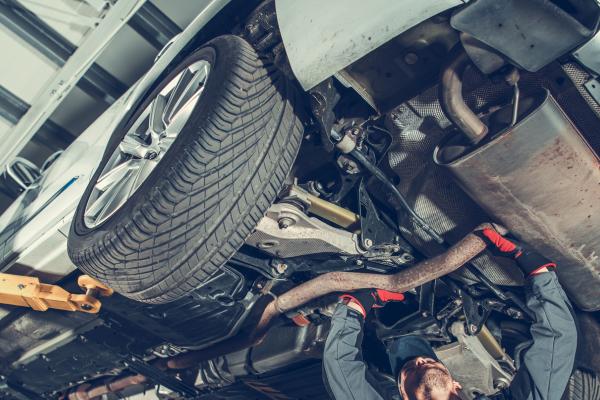
What Is the Drivetrain, and Why Does It Make Noise?
The drivetrain is the system that delivers power from your Jeep’s engine to the wheels. It includes several critical components:
- Transmission
- Driveshaft
- Differential(s)
- Transfer case (for 4WD systems)
- Axles
Each of these parts can generate noise when something isn’t quite right—like worn bearings, loose joints, low fluid levels, or damaged gears. Because Jeep drivetrains are more complex due to 4WD systems, it’s even more important to recognize when something sounds “off.”
Common drivetrain noises include:
- Clunking during gear shifts or when accelerating
- Whining at certain speeds or while coasting
- Grinding when turning or shifting into 4WD
- Humming or rumbling that gets louder with speed
Step-by-Step: Jeep Drivetrain Noise Diagnosis
Diagnosing drivetrain issues isn’t always straightforward. Sounds can travel, echo, or blend into road noise. That’s why a professional approach is best—but here’s how we start the process:
1. Listen Carefully and Record
Take note of:
- When the noise occurs (acceleration, deceleration, turning)
- Whether it’s consistent or intermittent
- If it changes with speed or gear selection
2. Visual Inspection
We check for obvious issues like:
- Leaking differential or transfer case fluids
- Loose driveshaft bolts or mounts
- Damaged CV joints or U-joints
3. Road Test
This helps replicate the noise and determine whether it’s coming from the front or rear of the vehicle—or even the tires or brakes.
4. Use Diagnostic Tools
We may use chassis ears (clip-on microphones), scan tools, or even thermal imaging to pinpoint heat buildup from friction.
5. Component Isolation
Sometimes parts need to be removed or disassembled to inspect for internal damage (like chipped gears or worn bearings).
Why Timely Drivetrain Diagnosis Matters
Putting off a Jeep drivetrain noise diagnosis can cause minor issues to snowball into major problems. Here’s why it’s smart to act early:
- Prevent Complete Failure: A noisy U-joint today can become a snapped driveshaft tomorrow.
- Reduce Repair Costs: Catching a fluid leak early can save your differential.
- Avoid Getting Stranded: Drivetrain failure often leads to vehicle immobility.
- Protect Other Components: Damage can cascade from one part of the system to another.
Especially in Meridian, ID—where winter conditions, dirt roads, and elevation changes push your Jeep harder—catching drivetrain issues early is even more critical.
Real-World Example: Jeep Wrangler Grinding When in 4WD
A customer recently brought in a 2016 Jeep Wrangler that made a grinding noise whenever 4WD was engaged. They’d just returned from a weekend in the Boise Foothills. Initial inspection showed no issues with the front driveshaft or transfer case linkage.
After a full Jeep drivetrain noise diagnosis, we found that the front differential had a partially stripped ring gear due to metal shavings in the gear oil—likely from earlier off-road use with worn fluid. The fix? Replace the ring and pinion gears, clean out the diff housing, and flush the fluid. The customer now has a quieter, safer ride and better off-road performance.
Backing It Up with Data
Drivetrain issues are one of the top 10 reasons Jeeps are brought into repair shops, according to a 2023 report from the National Institute for Automotive Service Excellence (ASE). In particular:
- U-joint wear is common by 80,000 miles in off-road Jeeps
- Differential fluid neglect is a leading cause of failure in 4WD systems
- Early noise symptoms go unreported in 60% of cases until parts fail
In Meridian, ID, the combination of seasonal temperature shifts and terrain puts unique stress on your drivetrain. Regular inspections—especially after off-roading—can help extend the life of your Jeep’s power delivery system.
We’re Here to Help
If your Jeep is making drivetrain noises and you’re in the Meridian, ID area, it’s a smart move to get it checked before things get worse. At John’s Auto Care Center, our experienced technicians specialize in Jeep drivetrain noise diagnosis and repair, and we treat every vehicle like it’s our own.
We don’t just fix the problem—we stand behind our work. Our Meridian auto repair shop backs every repair with an exceptional 3-year/36,000-mile warranty, giving you peace of mind long after you leave the shop.
Feel free to schedule a drivetrain inspection with us today. No pressure, just expert help to get your Jeep running smooth and quiet again.
Frequently Asked Questions
1. What does a bad U-joint sound like in a Jeep?
A failing U-joint typically makes a clunking or knocking noise, especially when shifting from reverse to drive or when accelerating. You might also feel vibration at certain speeds. It’s important to catch it early—if the U-joint fails completely, it can cause the driveshaft to disconnect.
2. Can low differential fluid cause noise?
Yes. Low or dirty differential fluid leads to poor lubrication and increased friction, which can cause whining, humming, or grinding noises—especially during turns. Over time, this can cause significant gear damage.
3. Is it safe to drive with drivetrain noise?
It depends on the cause, but in most cases, it’s not worth the risk. Some noises may just be from worn bushings, but others (like gear grinding or U-joint clunking) can quickly become dangerous. It’s best to get it diagnosed by a professional.
4. How much does Jeep drivetrain repair usually cost?
Costs vary depending on the component. A U-joint replacement might cost under $300, while a differential rebuild can run over $1,000. That’s why early diagnosis is so important—it helps you avoid expensive repairs.
5. Does weather affect drivetrain components in Meridian, ID?
Absolutely. Cold winters can thicken lubricants, while summer dust can contaminate fluid systems. These extremes, combined with elevation and road conditions, make regular inspections even more important for Jeep owners in Meridian.