


If you drive a Ford—or you’re thinking about getting one—there’s a good chance you’ve heard people talk about exhaust system problems. Maybe you’ve even smelled something odd inside your car or noticed a strange noise while driving. Whether you’re dealing with a minor exhaust leak or a bigger issue like a clogged catalytic converter, it’s worth understanding what’s going on under the hood (or technically, under the car!).
Common Ford exhaust system problems are easier to fix when caught early. This guide provides information on identifying these problems and maintaining your vehicle’s performance. Ignoring a minor exhaust leak can lead to more expensive repairs later, affecting fuel efficiency and potentially causing damage to your catalytic converter or engine.
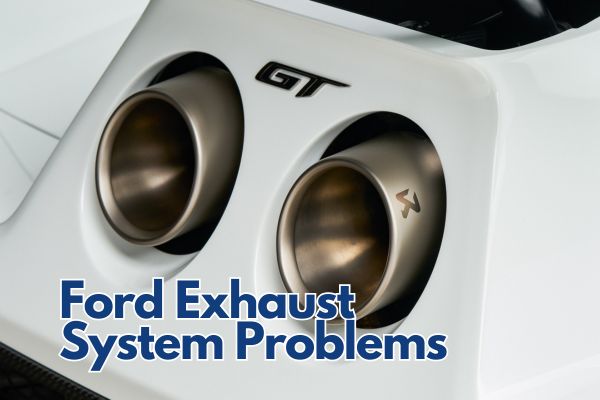
What Exactly Is the Exhaust System?
Think of the exhaust system as your vehicle’s personal waste disposal. Its job is to take all those nasty gases created during combustion, filter them, and shoot them out the back (safely). It also keeps your car quieter and improves fuel efficiency. When something goes wrong here, you’ll feel it—not just in your ride, but in your wallet too.
Most Common Ford Exhaust System Problems
Let’s break down the usual suspects when it comes to Ford’s exhaust issues.
1. Exhaust Leaks
One of the most common complaints. You’ll usually hear a weird hissing sound, or your car might sound louder than usual. A leaking exhaust system can also make your fuel economy tank. Worse? You might start smelling exhaust fumes inside the cabin, which is not only gross—it can be dangerous due to carbon monoxide exposure.
If you drive a lot of short distances (like city driving), moisture can build up and cause rust in the pipes. Over time, that rust can lead to holes, and boom—now you’ve got a leak.
2. Clogged Catalytic Converter
The catalytic converter is your car’s emission-reducing superhero. It turns harmful gases into less harmful ones before they leave the tailpipe. But if it gets clogged with carbon buildup, your engine will start to struggle. You might notice:
- A check engine light
- Reduced acceleration
- Poor gas mileage
- A weird sulfur (rotten egg) smell
Catalytic converters aren’t cheap, so keeping your engine healthy can save you from this headache.
3. Faulty Oxygen Sensors
These little sensors monitor the amount of oxygen in your exhaust and help your engine adjust the air-fuel mix. If they’re not working right, your engine could end up burning too much fuel—or not enough. You’ll likely see a check engine light and possibly feel the car running rough or stalling at idle.
4. Diesel Particulate Filter (DPF) Issues – For Diesel Drivers
If you’re driving a Ford Super Duty or another diesel-powered model, listen up. TheDPFtraps soot from the exhaust. Over time, it needs to burn that soot off (a process called regeneration). If something stops that process—say you only drive short trips—it can clog up. That’s when you get warning lights or, worse, the dreaded “limp mode” where your truck won’t go over 50 mph.
Real Issues in Real Ford Models
Let’s look at some Ford models that have had exhaust-related trouble.
Ford F-150 (2021–2023)
A big recall was issued for over 870,000 F-150 trucks. Why? The rear axle wiring harness could get damaged near the exhaust, triggering the electronic parking brake while driving. Yep—you read that right. Talk about scary. This mostly affected single exhaust setups.
Ford Explorer (2011–2017)
Many Explorer owners reported smelling exhaust fumes inside their SUVs. There were real concerns about carbon monoxide exposure, especially on longer trips. While the NHTSA investigated, they didn’t force a recall—but Ford did offer free repairs on some models.
Ford Super Duty 6.7L Diesel
If you’ve seen the message “Exhaust Fluid System Fault” on your dash, you’re not alone. These trucks can go into limp mode, and it’s often tied to DEF (Diesel Exhaust Fluid) issues. It might be contaminated fluid, a bad sensor, or even software glitches.
How to Tell Something’s Wrong
Wondering if your Ford has an exhaust issue? Here are some red flags:
- Check engine light: This one’s obvious but often ignored.
- Bad smells: Sulfur, fuel, or exhaust smells inside the car = bad news.
- Weird noises: Rattling, tapping, or hissing from under the car.
- Poor mileage: Suddenly filling up more than usual? The exhaust might be why.
- Loss of power: Especially if it happens during acceleration.
What Can You Do to Prevent Exhaust Problems?
Good news: most of these issues can be avoided or at least caught early.
1. Get Regular Inspections
During oil changes or routine maintenance, ask your mechanic to check the exhaust system. They can spot rust, loose parts, or tiny leaks before they become big (and expensive).
2. Use Quality Fuel and DEF
Low-quality fuel or contaminated diesel exhaust fluid can do real damage over time. Stick with trusted gas stations and only use Ford-recommended DEF for your diesel vehicle.
3. Drive Longer Distances Occasionally
If you’re mostly doing short trips, your exhaust system never gets hot enough to burn off moisture and soot. Take your Ford for a longer highway drive once in a while—it’s good for the engine and the exhaust system.
Common Questions About Ford Exhaust Systems
Here are some quick answers to the most frequently asked questions about Ford exhaust system problems, based on real issues drivers often face.
Why does my Ford smell like exhaust inside?
That’s likely an exhaust leak or a faulty seal. It can be dangerous—get it checked ASAP.
Can I still drive with a check engine light on for the exhaust?
Technically, yes. But it’s risky. It could be something minor or it could ruin your catalytic converter if ignored.
How much does it cost to replace a catalytic converter in a Ford?
It varies, but expect $900 to $2,500 depending on your model. It’s definitely not a cheap fix.
What’s the deal with the DEF system in diesel Fords?
The DEF system helps reduce emissions, but it’s sensitive. Contaminated fluid or bad sensors can throw your truck into limp mode.
Are Ford exhaust issues common?
They’re not rampant, but they do happen—especially in older models or high-mileage vehicles. Staying on top of maintenance makes a huge difference.
Keep Your Ford Running Clean
Look, no vehicle is perfect. But understanding the ins and outs of Ford exhaust system problems gives you an edge. Whether you’re driving an F-150, Explorer, or Super Duty diesel, keeping an eye (and ear) on your exhaust system will help you avoid bigger problems down the road.
Stay proactive with maintenance, trust your senses if something smells or sounds off, and don’t ignore warning lights. Your Ford—and your lungs—will thank you.
Related articles:
