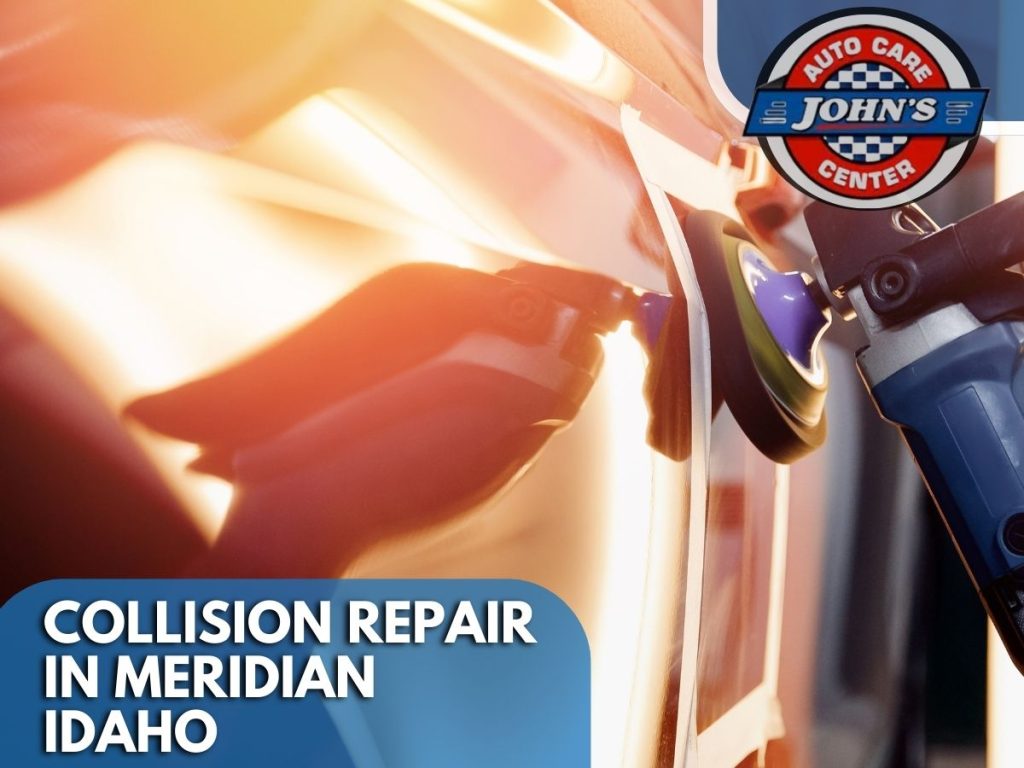
After an accident, understanding how collision repair works can be daunting. Whether you’ve just had a fender-bender or a more serious crash, your vehicle may need some level of repair. Collision repair is not just about fixing dents and scratches; it involves a thorough inspection, diagnostics, and sometimes complex techniques like frame straightening or paintless dent repair (PDR). In this blog, we’ll explore the essential aspects of collision repair, diving deeper into specific repair methods, sharing real-world case studies, and giving you practical advice on how to handle your vehicle’s recovery post-accident.
What Is Collision Repair?
Collision repair involves a series of procedures performed on a vehicle after it’s been involved in an accident, aimed at restoring it to its pre-collision state. This process can range from minor fixes like cosmetic touch-ups to major structural repairs such as frame alignment or suspension work. The goal is to ensure the vehicle is safe to drive and that it’s restored to both its functional and aesthetic condition.
Common Collision Repair Techniques
In this section, we’ll take a closer look at some of the most common collision repair techniques used in auto shops today.
Paintless Dent Repair (PDR)
Paintless Dent Repair (PDR) is an effective and cost-efficient technique used for minor dings and shallow dents. This method doesn’t involve repainting the affected area. Instead, specialized tools are used to gently massage the dent out from the inside of the panel, restoring the metal to its original shape. This technique works best when the paint has not cracked and the dent is relatively shallow.
Example:
A customer brought in a car with a small dent on the hood from a minor fender-bender. Instead of replacing the panel or repainting, the technician used PDR to restore the hood’s smooth finish at a fraction of the value
If you notice minor dents or dings on your car, consider using Paintless Dent Repair (PDR) before opting for a full panel replacement. It’s a cost-effective solution that restores the car’s appearance without damaging the original paint, saving you time and money. Always ask your mechanic if PDR is a viable option for your vehicle.
Frame Straightening
Frame straightening becomes necessary when a vehicle’s frame — the structural support system of the car — is bent or misaligned. The frame is critical to the car’s safety and handling, so it’s essential to restore it to its original shape. This repair is often performed using a frame machine, which applies controlled force to pull the frame back into alignment.
Example:
After a rear-end collision, a customer’s vehicle required frame straightening. The shop used a hydraulic frame machine to pull the frame back into alignment, ensuring the car was safe to drive again.
If your car has a small dent and the paint is intact, ask your repair shop about Paintless Dent Repair (PDR). This cost-effective technique can restore your car’s body without repainting, saving you time and money.
Bumper and Fender Repair
Bumpers and fenders are among the most commonly damaged parts during a collision. Minor damage, like scratches or small dents, can often be repaired through dent pulling or smoothing techniques. If the damage is more severe, the bumper or fender may need to be replaced entirely.
Suspension Repair
If the suspension system of a vehicle is compromised during a collision, it can lead to poor handling and safety issues. Common repairs may include replacing shocks, struts, control arms, or other suspension components. These repairs ensure the vehicle rides smoothly and remains safe on the road.
The Collision Repair Process: Step-by-Step
Here’s a general overview of what to expect during the collision repair process, from the initial assessment to the final handover of your vehicle.
Step 1: Inspection and Estimate
The first step after you bring your vehicle to the shop is a thorough inspection. The repair technicians will examine both the exterior and internal components for any hidden damage. Afterward, they’ll provide you with a detailed estimate of the repairs, including part costs, labor charges, and any other associated fees.
Step 2: Disassembly and Parts Ordering
Once you approve the estimate, the technicians will begin disassembling the damaged parts. This could include removing the bumper, fenders, or other components to gain access to hidden damage. Any parts that need to be replaced will be ordered at this stage.
Step 3: Repair or Replacement
Depending on the damage, the vehicle will undergo repair or replacement. Minor dents may be addressed with PDR, while larger repairs may require body filler, welding, or even frame straightening. At this stage, damaged parts are either repaired or replaced, and the vehicle’s integrity is restored.
Step 4: Reassembly and Refinishing
Once the repairs are completed, the vehicle will be reassembled, and any parts that were replaced will be installed. If paintwork is needed, the affected areas will be refinished to match the original paint color and texture, ensuring the car looks as good as new.
Step 5: Final Inspection and Test Drive
Before your vehicle is returned to you, a final inspection is conducted. This ensures all repairs are completed properly and that no issues remain. A test drive may also be performed to ensure that the car is running smoothly and that everything is aligned correctly.
What to Look for in a Collision Repair Shop in Meridian, Idaho
Choosing the right collision repair shop is vital to getting your vehicle back on the road safely. Here’s a guide on what to look for when selecting a shop in Meridian, Idaho:
1. Certifications
Make sure the shop has industry-recognized certifications, such as I-CAR or ASE. These certifications ensure that the technicians are well-trained and that the shop follows proper repair procedures.
2. Experience with Your Vehicle
It’s always a good idea to choose a shop that has experience with your vehicle’s make and model. Some shops specialize in specific car brands or types of damage, so finding one with relevant expertise can speed up the repair process and ensure high-quality results.
3. Customer Reviews
Look at customer reviews on sites like Google, Yelp, or other trusted platforms. Reading about other customers’ experiences will give you an idea of the shop’s reliability, quality of work, and customer service.
4. Warranty
A reputable collision repair shop should offer a warranty on their repairs. This guarantees that if something goes wrong after the repair, they will take care of it without additional costs.
Ensuring Your Vehicle’s Safety and Longevity After a Collision
Collision repair is an essential process to restore your vehicle after an accident, but it’s not just about fixing dents and scratches. Whether the repair involves minor cosmetic fixes or complex structural work like frame straightening, understanding the process and the techniques involved can help you make informed decisions. Choosing the right repair shop is equally important, and with the right team, your vehicle will be restored to its pre-accident condition, both in terms of safety and appearance.
FAQs
1. What is Paintless Dent Repair (PDR), and when should it be used?
PDR is a technique used to remove shallow dents without repainting the vehicle. It’s ideal for minor dings where the paint hasn’t cracked and the dent is accessible.
2. How do I know if my car needs frame straightening?
If your vehicle’s frame has been bent or misaligned after an accident, you may notice poor handling, misaligned doors, or uneven tire wear. These are indicators that frame straightening may be necessary.
3. What is the cost of collision repair?
The price of collision repair will vary based on how severe the damage is. Minor repairs might cost a few hundred dollars, while more severe damage requiring structural repairs or parts replacement can run into the thousands. Always ask for an estimate before proceeding with repairs.
4. Can I drive my car if it looks like only minor damage occurred?
Even if the damage seems minor, it’s important to get a professional assessment. Structural or internal issues could compromise the vehicle’s safety, so don’t assume it’s safe to drive without a thorough inspection.
5. What should I do if my insurance covers the collision repair?
If your insurance covers the repairs, they may recommend a preferred shop. However, you can still choose a shop that you trust, as long as it meets your insurance requirements. Always check with your insurer before proceeding.