Picture this: You’re headed out for a weekend adventure in your Jeep, ready to hit the scenic backroads just outside Meridian, ID. But before you even leave the neighborhood, you notice the temperature gauge creeping higher, a puff of white smoke trailing from the exhaust, and an odd sweet smell in the air. These aren’t just random glitches — they could be early signs of Jeep head gasket issues.
In this guide, we’ll walk you through how to identify, understand, and repair head gasket failures — all from a practical, real-world perspective. Whether you drive a Wrangler, Cherokee, or Gladiator, this article will help you make informed decisions and protect your engine for the long haul in Meridian, ID and beyond.
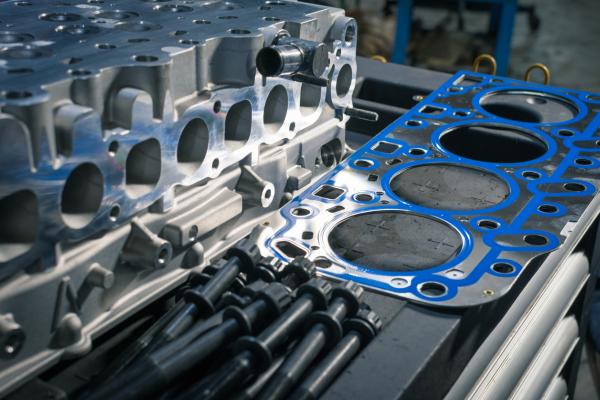
What Is a Head Gasket and Why Is It So Important?
The head gasket is a crucial seal that sits between your Jeep’s engine block and cylinder head. Its job is to keep coolant, oil, and combustion gases in their own lanes. When it’s functioning properly, everything works smoothly.
But when the head gasket fails, those barriers break down — oil can mix with coolant, combustion gases can leak into the cooling system, and you might be left with a car that runs hot, rough, or not at all.
In Jeeps, especially older models or those with higher mileage, the stress of off-roading, towing, or temperature fluctuations can wear down this critical component faster than usual.
How to Detect Jeep Head Gasket Issues Early
Spotting Jeep head gasket issues early can make the difference between a straightforward repair and a costly engine rebuild. Below are the most common warning signs and what they might mean for your Jeep:
Overheating Engine
If your Jeep’s temperature gauge starts rising quickly or spikes unpredictably, it’s often a sign of head gasket trouble. A failed gasket can allow hot combustion gases to leak into the cooling system, pushing temperatures higher than normal. Repeated overheating can lead to serious engine damage if not addressed right away.
White Smoke from the Exhaust
Seeing thick white smoke coming from your tailpipe, especially on startup, usually points to coolant being burned in the engine. This happens when the head gasket fails and allows coolant to seep into the combustion chamber. It often comes with a sweet, syrupy smell from the exhaust.
Milky Oil
Check your oil dipstick or the underside of your oil cap — if the oil looks frothy, creamy, or like a milkshake, it likely has coolant mixed in. This mixture can’t properly lubricate engine parts and increases internal wear. It’s one of the most serious signs that the head gasket has failed.
Loss of Coolant with No Visible Leak
If your coolant level keeps dropping but there’s no puddle under your Jeep, the fluid may be leaking internally. A blown head gasket can allow coolant to escape into the combustion chamber or mix with oil. In either case, it’s a hidden leak that requires immediate attention.
Rough Idling or Misfires
A Jeep that shakes, stutters, or idles roughly could have a head gasket leak between two cylinders. When compression is uneven or combustion is disrupted by leaking coolant, it affects performance. You may also notice reduced power or a flashing check engine light.
What Causes Head Gasket Failure in Jeeps?
Jeep vehicles — especially models like the Wrangler and Grand Cherokee — are built tough, but like all machines, they’re not immune to wear.
Common causes of Jeep head gasket issues include:
- Overheating: A bad radiator, stuck thermostat, or failing water pump can cause the engine to overheat and warp the head gasket.
- Aging Components: Over time, the gasket material weakens, especially with repeated heat cycles.
- Heavy Use: Towing heavy loads, frequent off-roading, or aggressive driving can add stress to the engine.
What’s Involved in a Head Gasket Repair?
Replacing a head gasket isn’t a minor job — it requires skill, time, and the right tools. The process generally involves:
- Diagnosing the Problem: A mechanic will test for combustion gases in the coolant, inspect cylinder compression, and possibly do a leak-down test.
- Disassembling the Engine Head: This involves removing the valve cover, intake/exhaust manifolds, and head bolts.
- Replacing the Gasket and Machining the Head: The cylinder head may need to be resurfaced if it’s warped.
- Reassembly and Testing: Everything is carefully put back together, and the engine is tested to ensure the repair was successful.
The Real Benefits of Fixing Head Gasket Issues Properly
While it may be tempting to ignore minor symptoms or delay the repair, fixing head gasket problems the right way offers serious advantages:
- Restore Engine Performance: A proper seal restores compression and improves fuel efficiency.
- Prevent Further Damage: Left unchecked, coolant in the oil can destroy bearings and ruin the entire engine.
- Peace of Mind: Knowing your Jeep is running safely and reliably is priceless — especially before a road trip or off-road adventure.
Real-World Example: Jeep Wrangler Head Gasket Repair
One of our regular customers brought in a 2011 Jeep Wrangler with overheating issues and white smoke from the tailpipe. After diagnostics, we confirmed a failed head gasket.
We disassembled the head, found minor warping, machined it flat, and installed a high-quality replacement gasket. Once reassembled, the Wrangler ran like new — smoother idle, cooler temperatures, and no more smoke.
This Jeep had over 160,000 miles, and the customer admitted he had used it hard — off-roading on weekends, towing during the week. He was relieved he caught the issue before the engine was permanently damaged.
Supporting Data
According to AAA and data from RepairPal, the average cost to replace a head gasket ranges from $1,500 to $2,500 depending on make and model — but delaying repairs can escalate that cost to over $4,000 if the engine needs replacement.
In Jeeps specifically, head gasket issues rank in the top 5 most common engine-related problems in high-mileage vehicles. Addressing the problem early isn’t just smart — it’s financially responsible.
A Quick Word Before You Go
When it comes to Jeep head gasket issues, catching the problem early and seeking proper repair can make all the difference between a minor fix and a full engine rebuild. The signs aren’t always dramatic, but once you know what to look for, you can take action with confidence.
At John’s Auto Care Center, we bring over 23 years of hands-on experience as a family-owned and operated auto repair shop right here in Meridian, ID. We’ve built our reputation on honesty, quality work, and treating every vehicle like it belongs to our own family.
If something doesn’t feel right with your Jeep — or if you’ve spotted a symptom mentioned above — schedule a visit with our team.
FAQs: Jeep Head Gasket Issues
1. Can I still drive my Jeep with a bad head gasket?
Technically, yes — but it’s not a good idea. Driving with a blown head gasket can quickly cause more severe damage, such as a cracked engine block or failed bearings due to coolant mixing with oil. It’s best to have it inspected as soon as possible.
2. How long does it take to fix a head gasket in a Jeep?
Depending on the model and severity of the damage, a head gasket replacement can take between 1 to 3 days. This includes diagnosis, disassembly, machining (if needed), and reassembly.
3. Is it worth fixing a head gasket on an older Jeep?
It depends on the condition of the rest of the vehicle. If your Jeep is otherwise in good shape, fixing the gasket can add years of reliable service. However, if there are other major issues, it might make more sense to evaluate the total cost of ownership.
4. What causes repeat head gasket failures?
Repeated overheating, improper installation, or not machining a warped cylinder head are common causes. Using a poor-quality replacement gasket can also lead to another failure.
5. How can I prevent head gasket problems in the future?
Regular coolant flushes, keeping your radiator and water pump in good shape, and watching for overheating are key. Avoid pushing your engine too hard when it’s already showing signs of distress.