In Meridian, ID, Jeep owners know that the open road is just the beginning. From winding trails in the Boise Foothills to snowy drives up to Bogus Basin, your Jeep is built to handle it all. But behind every smooth climb and rugged descent is a set of components working hard—your axle and differential. Performance, control, and safety all depend on these often-missed components. If you’ve never thought about Jeep axle and differential repair, now is the time.
Understanding how these parts function and what to watch for can help you avoid costly repairs and keep your Jeep adventure-ready.
What Is Axle and Differential Repair?
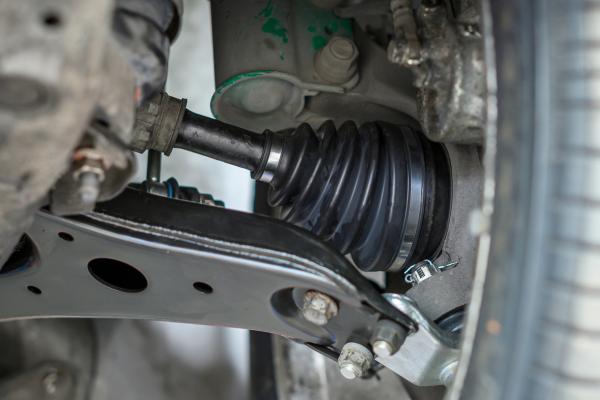
Think of the axle as the heavy-duty shaft that connects your wheels and delivers power from the transmission. In Jeeps, especially 4x4s, axles take a beating off-road and need to be extra tough.
The differential is the gear assembly that allows your wheels to rotate at different speeds—crucial when you’re turning or navigating uneven terrain. Jeep differentials often feature locking or limited-slip functions to enhance off-road traction.
These parts work together so your powertrain laughs in the face of dirt, gravel, snow, and even the steepest hills.
The Repair Process: What Happens When You Bring It In
So, what should you expect when you take your Jeep in for axle or differential service?
- Inspection: A technician will lift your Jeep, check for fluid leaks, and listen for unusual noises.
- Diagnosis: They’ll identify worn bearings, cracked seals, or other common issues like gear wear or bent axles.
- Repair or Replacement: Depending on the condition, they might replace seals, swap out a bent axle, or rebuild the differential.
- Fluid Service: Gear oil is drained, replaced, and all seals are checked to ensure proper lubrication.
This process ensures that your Jeep’s drivetrain is ready for both everyday driving and weekend adventures.
Key Benefits of Timely Axle and Differential Repair
Maintaining these parts doesn’t just keep your Jeep running—it preserves its performance where it matters most. Here’s why routine service matters:
- Boosted safety: A healthy drivetrain means better traction and control.
- Smoother ride: Properly functioning components reduce vibration and noise.
- Lower repair costs: Fixing a seal or bearing now beats replacing an entire axle later.
- Extended vehicle life: Preventing stress on your drivetrain helps your Jeep last longer.
Regular checkups and maintenance save you time, money, and future frustration.
Local Case Study: Catching Issues Early Pays Off
Meet Sarah, a Wrangler owner in Meridian who noticed a faint clicking sound when turning and a small puddle under her rear axle. Rather than ignoring it, she brought her Jeep in for a look.
Technicians discovered a failing pinion seal and early gear wear. The fix? A relatively quick seal replacement and gear oil flush—just under $600 total. Had she waited, it could’ve led to a full differential rebuild costing upwards of $1,800. Now her Jeep is back to exploring Idaho’s trails, worry-free.
Data Doesn’t Lie: The Cost of Ignoring Drivetrain Problems
According to the ASE (National Institute for Automotive Service Excellence), drivetrain issues are among the top ten causes of vehicle breakdowns. Here’s what common services cost:
- Axle repair or replacement: $400–$900 per axle
- Differential rebuild: $800–$1,800
- Full differential replacement: $1,500–$3,000
Considering the tough terrain and weather conditions in Meridian, it’s no surprise that early maintenance is often far more affordable than waiting until a failure occurs.
Axle and Differential Tips Every Jeep Owner Should Know
Want to avoid the shop for as long as possible? Follow these expert-approved tips:
- Avoid aggressive off-roading when unnecessary. Save the hardcore climbs and water crossings for when it’s worth the risk.
- Don’t ignore leaks. Even minor drips of gear oil under your Jeep can signal bigger problems down the line.
- Clean the undercarriage after trail rides. Dirt and debris can cake up around seals and vents, leading to premature wear.
- Use the right gear oil. Always go with what your manufacturer recommends. Some differentials need special additives.
- Upgrade with purpose. If you plan to lift your Jeep or add bigger tires, reinforce your axle setup to match. This avoids extra strain on stock parts.
- Listen closely. Clicking, humming, or grinding noises are early warning signs. Don’t wait for them to come out.
A little extra attention now saves a lot of money later.
Your Next Step Toward Worry-Free Jeep Adventures
Our family-owned and operated Meridian auto repair shop has been serving the community for over 23 years. We’ve helped hundreds of Jeep owners stay confident behind the wheel with accurate diagnoses and quality repairs tailored to off-road demands.
If you’re hearing unusual noises, feeling vibrations, or just want to make sure your Jeep’s ready for the next off-road trek, don’t wait. An axle and differential inspection today could prevent a major repair tomorrow.
Schedule your service with John’s Auto Care Center —Meridian’s trusted name in Jeep axle and differential repair. Our long history and commitment to quality mean you can trust us to get you moving. Drive with confidence, on any road.
FAQs About Jeep Axle and Differential Repair
1. Can I keep driving if I hear clicking from my axle?
Not a good idea. Clicking sounds often point to a failing CV joint or U-joint. If left unchecked, it can lead to a complete axle failure and leave you stranded.
2. How often should I change my Jeep’s differential fluid?
Typically, every 30,000 to 50,000 miles, or sooner if you frequently off-road or tow. Always follow the maintenance schedule in your owner’s manual for the best results.
3. Are differential upgrades worth it for off-roading?
Yes—especially if you’re hitting rugged trails. Upgrades like locking or limited-slip differentials improve traction, stability, and performance in tough terrain.
4. Is a leaking axle seal serious?
Yes, it’s something you shouldn’t ignore. A leaking seal can allow gear oil to escape, which may lead to overheating, excessive wear, or even differential failure.
5. What are the signs of a failing differential?
Whining or howling noises, visible fluid leaks, and difficulty turning are all warning signs. Catching it early can prevent extensive damage and costly repairs.