When you’re out exploring the rugged backroads around Meridian, ID, or just running errands downtown, one thing you don’t want to mess around with is your Jeep’s braking system. If you’ve been searching for Jeep brake system repair advice that’s helpful—and not just a bunch of generic tips—you’ve landed in the right spot.
We’re going to walk through exactly how your Jeep’s brakes work, how to spot signs of trouble, and how to handle common repairs yourself. No fluff. Just real talk from someone who’s been elbows-deep in brake jobs more times than he can count.
Why Your Jeep’s Brake System Deserves Attention
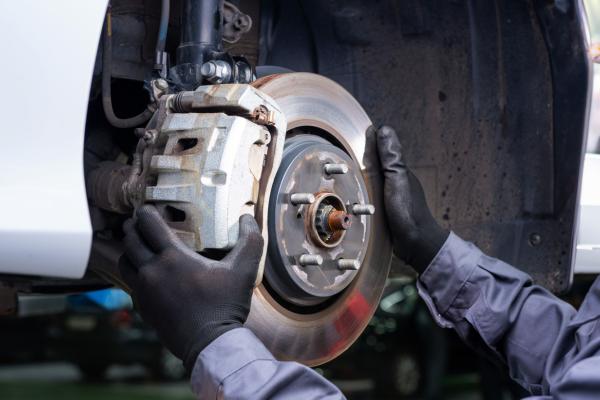
Let’s be honest—your Jeep takes a beating. Whether you’re hauling gear, driving off-road, or navigating Meridian’s icy winter roads, your brakes are working hard every mile. The brake system isn’t just a set of pads and rotors. It’s an interconnected system that keeps you safe every time you press that pedal.
What’s Under the Hood (Or Behind the Wheels):
- Brake Pads: These take the brunt of the friction. They’re designed to wear out over time.
- Rotors: Big metal discs that the pads press against to create stopping power.
- Calipers: These act like clamps, squeezing the pads onto the rotors.
- Brake Fluid & Lines: This hydraulic fluid transfers your foot pressure into mechanical motion.
- Master Cylinder: The heart of the system. It pushes brake fluid where it needs to go.
Understanding how these pieces work together is the first step in taking control of your own Jeep brake system repair.
Common Signs You Need Brake Work
Ever feel like something’s just…off when you stop? Your Jeep will usually tell you when it’s time for some brake TLC. Here’s what to watch (and listen) for:
- Squealing or grinding noises – Often the first sign your pads are worn out.
- Shaking or vibrating when braking – Could be warped rotors.
- Brake warning light – Don’t ignore it. That little light isn’t just decoration.
- Soft or mushy brake pedal – Might mean air in the lines or low fluid.
- Jeep veers during braking – May point to uneven pad wear or a sticking caliper.
Any of these signs means it’s time to inspect your system—and maybe roll up your sleeves for a little DIY repair.
DIY Jeep Brake System Repair: Step-by-Step
If you’re handy and have a good set of tools, you can tackle basic brake repairs at home. Here’s a straightforward guide to replacing your Jeep’s brake pads and rotors—one of the most common maintenance jobs.
What You’ll Need:
- Jack and Jack stand
- Lug wrench
- Socket set
- Brake cleaner
- C-clamp or caliper piston tool
- New brake pads and rotors
- Gloves, rags, and safety glasses
Let’s Get to Work:
- Prep Your Jeep: Park on level ground, apply the parking brake, and loosen the lug nuts.
- Lift and Secure: Use a jack to lift your Jeep and place it on jack stands. Safety first—always.
- Remove the Wheel: This gives you access to the brake components.
- Unbolt the Caliper: Carefully remove it and hang it with a bungee cord to avoid stressing the brake line.
- Swap Out the Old Pads and Rotor: Remove the old pads, and if you’re replacing the rotor, take off the caliper bracket and slide the rotor off.
- Install the New Parts: Clean the rotor with brake cleaner, install the new rotor and brake pads.
- Compress the Caliper Piston: Use a C-clamp or tool to push the piston back so it fits over the new pads.
- Reassemble: Bolt everything back in place, reinstall the wheel, and lower the Jeep.
- Test Before You Drive: Pump the brake pedal a few times to seat the pads before hitting the road.
If you’re not confident at any step, don’t risk it—better to consult a pro than compromise your safety.
What’s the Benefit of Doing It Yourself?
Besides saving money, learning how to do a Jeep brake system repair puts you in control. You’ll understand your vehicle better and feel more confident driving it. Plus, there’s just something satisfying about fixing your ride with your own two hands.
Here’s the breakdown:
- Save Money: Shop jobs can cost $300–$800. DIY? Closer to $100–$200 in parts.
- Faster Turnaround: No waiting on the shop’s schedule.
- Boost Confidence: Knowing you can handle common issues is a huge win.
Still, if something seems too complex or time-consuming, there’s no shame in handing it off to professionals.
Real Example from Meridian, ID
Let’s say you own a Jeep Grand Cherokee here in Meridian. You’ve noticed a squeaking noise on your commute down Fairview Avenue. When you pull off the wheel, you spot badly worn front brake pads and some scoring on the rotor. You spend the afternoon replacing them using this exact guide. The result? No more noise, smoother stops, and you saved hundreds of dollars doing it yourself. That’s the power of knowledge—and a solid socket wrench.
What the Data Says About Brake Safety
You don’t have to take our word for it—hard data is backing up why regular brake maintenance matters. The NHTSA reports that over 20% of vehicle crashes caused by mechanical failure are brake-related. That’s a huge number for something completely preventable with routine care.
Add to that Meridian’s mix of city, highway, and mountain driving, and it’s easy to see why locals should be extra proactive with brake maintenance. Brake pads usually last 30,000 to 70,000 miles, but for Jeeps that tow or go off-road? Check them every 6,000 to 8,000 miles to stay ahead of wear.
When It’s Time to Call in the Pros
Doing your own Jeep brake system repair can be a great way to save money and learn more about your ride. But knowing your limits is just as important. If you’re ever unsure about a noise, a warning light, or a repair step, get a second opinion.
That’s where John’s Auto Care Center comes in. Our team includes FIVE ASE Certified Master Technicians —people who live and breathe Jeep repair. We back every job with a 3-year/36,000-mile nationwide warranty, and offer 6 months of interest-free financing to make it easy to get back on the road safely.
Whether you need help diagnosing an issue, inspecting your brakes, or just getting a professional finish to a DIY start, we’re here to help. Book a brake inspection today—we’re always happy to take a look.
FAQs About Jeep Brake System Repair
1. How long do Jeep brake pads last?
Usually between 30,000 and 70,000 miles. If you off-road or tow, check more often.
2. Can I replace just the pads without the rotors?
Yes, if the rotors are still within thickness specs and aren’t warped or scored. Always inspect carefully.
3. What kind of brake fluid does my Jeep use?
Most Jeeps take DOT 3 or DOT 4. Always double-check your owner’s manual.
4. Why is my brake pedal soft after a pad replacement?
You might need to bleed the brakes or seat the new pads. Always test the pedal before driving.
5. Is a squeak after new pads normal?
A little squeak at first can be normal. But if it persists, check the hardware and pad alignment.