


Let’s face it — seeing your check engine light flick on can be downright stressful. You’re cruising along, maybe on your way to work or heading out for a weekend drive, and suddenly that little orange light pops up on your dashboard. You might wonder, “Is my car about to break down?” or “Can I ignore this until tomorrow?” You’re not alone if you’ve been there (and most drivers have).
So, when should you worry? More importantly, when should you seek help for the engine light?
In this post, we’ll break down what that pesky light means, common reasons it turns on, and most importantly, when it’s time to stop guessing and get a professional involved. Let’s make sense of it all — no mechanic-speak required.
Common Reasons Your Engine Light Might Be On
Let’s walk through a few of the usual suspects behind that glowing warning light:
Improperly Sealed Gas Cap
Believe it or not, this is one of the most common reasons for the check engine light to come on. A loose gas cap lets fuel vapors escape, which throws off the emissions system. The good news? Tightening it might just solve the problem.
Faulty Oxygen Sensor
The oxygen sensor tracks how much unburned oxygen is in the exhaust and helps regulate fuel usage. If it’s not working properly, your car could use more gas than necessary and pump out more emissions.
Bad Catalytic Converter
Your catalytic converter helps reduce toxic emissions. If it’s failing, not only will you see the check engine light, but you may also experience sluggish performance or a rotten egg smell from your exhaust. This is a “seek help for engine light” kind of moment.
Failing Mass Airflow Sensor
This sensor tells your car how much air is getting into the engine. If it goes bad, your engine might misfire, stall, or lose power.
Worn Spark Plugs or Plug Wires
Old spark plugs can cause your engine to misfire, reduce fuel efficiency, and trigger the check engine light. Replacing them is a straightforward fix that can restore performance quickly.
When You Should Seek Help for the Engine Light
Not all engine lights are created equal. Here’s how to tell when it’s time to get professional help:
Flashing Light = Emergency
If your check engine light is blinking, don’t wait. A flashing light usually means there’s a serious issue, like a cylinder misfire, that could damage your catalytic converter or other critical engine components. In this case, you should stop driving and call a mechanic or have your car towed to a repair shop.
Light Comes On and Stays On
If the light is steady and your car seems to be driving normally, it’s not an emergency, but don’t ignore it either. Your vehicle is telling you something needs attention, and continuing to drive without getting it checked can lead to bigger, more expensive problems.
Noticeable Changes in Performance
If your engine light comes on and you notice stalling, jerking, poor acceleration, or weird smells, you’re past the “wait and see” stage. These are clear signs it’s time to seek help for engine light issues from a trusted mechanic.
What to Do When the Engine Light Comes On
Here’s a simple checklist for handling the situation without panicking:
- Check the Gas Cap
It might sound too easy, but sometimes tightening or replacing the cap will turn the light off after a few drives. - Pay Attention to Your Car’s Behavior
Is it driving fine, or does something feel off? Make a note of any noises, smells, or performance changes. - Use a Diagnostic Tool
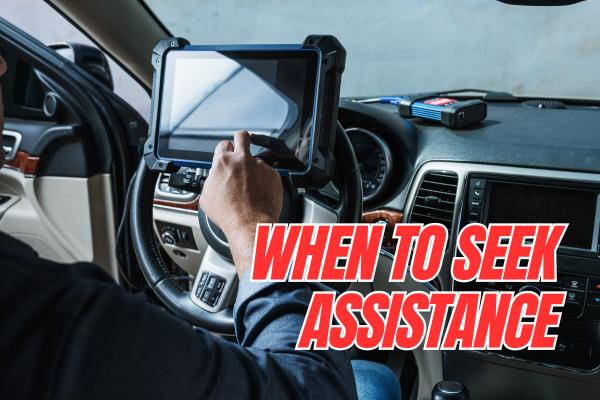
If you have an OBD-II scanner (or your local auto parts store offers free scans), plug it in and get the diagnostic trouble code. It won’t fix the problem, but it’ll tell you what’s wrong. - Schedule a Mechanic Visit
Especially if the light stays on or the scan shows a problem you’re not familiar with, it’s smart to get a professional’s opinion.
Can You Prevent the Engine Light From Coming On?
Not entirely — cars are complicated machines — but you can reduce the chances by:
- Getting regular oil changes and tune-ups
- Replacing filters and spark plugs on schedule
- Using the recommended fuel type
- Avoiding overfilling your gas tank
- Keeping your gas cap tightly secured
Routine maintenance is the best way to avoid sudden surprises.
Frequently Asked Questions
Q1: Is it safe to drive with the check engine light on?
If it’s a solid light and your car feels fine, it’s usually okay for short trips, but get it checked soon. A blinking light? Stop and seek help immediately.
Q2: Can I turn off the check engine light myself?
You can clear the light with an OBD-II scanner, but if the problem isn’t fixed, it’ll likely come back on. It’s better to solve the issue first.
Q3: What’s the most common cause of the engine light?
A loose gas cap is surprisingly common — and easy to fix.
Q4: How much does it cost to fix engine light issues?
Costs vary widely, from $0 for a gas cap to $1,000+ for major repairs like a catalytic converter. Getting a scan is the first step.
Q5: Can the weather affect the check engine light?
Yes, extreme temperatures or moisture can sometimes trigger sensors. But don’t assume — get a scan to know for sure.
Conclusion
When it comes to figuring out when to seek help for engine light warnings, trust your gut — and your car. A blinking light or performance changes are definite signs to get help fast. Even if everything seems fine, a persistent light means something’s off behind the scenes, and early attention could save you a lot of money and stress down the road.
Treat your car’s check engine light like a message from under the hood — it might not be urgent every time, but it’s always worth listening to.
