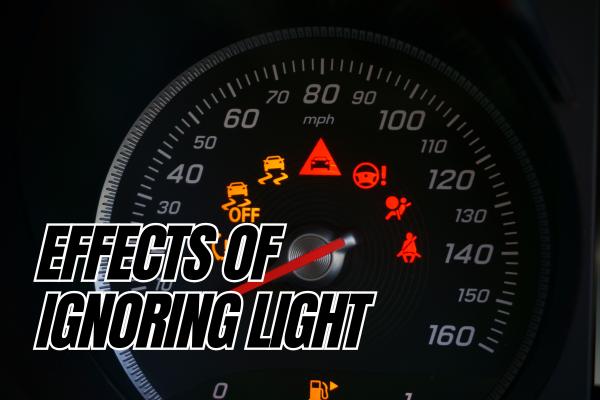
When that little check engine light pops up on your dashboard, it’s easy to think, “It’s probably nothing” or “I’ll deal with it later.” But ignoring it can lead to bigger problems. In this post, we’ll dive into the effects of ignoring light and explain why you shouldn’t put off getting it checked out. From minor annoyances to costly repairs, the effects of ignoring light can be more serious than you think.
What Happens if You Ignore the Check Engine Light?
It might be tempting to disregard the check engine light, but doing so can lead to serious consequences. The risks of ignoring the check engine light range from engine damage to skyrocketing repair bills. Let’s break it down and understand exactly what could happen if you wait too long to address it.
Engine Damage
One of the most significant risks of ignoring the check engine light is engine damage. Your engine is a complex machine with many parts that work in harmony. If the light comes on due to a malfunctioning component, such as a spark plug or fuel injector, failing to address it could lead to further damage.
For example, a misfire due to a worn spark plug might not seem like a big deal at first, but over time, it puts more strain on your engine. The longer you let it go unresolved, the more potential there is for serious engine damage, leading to costly repairs like replacing the engine block or other critical components.
Poor Fuel Efficiency
Another common issue that triggers the check engine light is a malfunction in your vehicle’s fuel system. If the light comes on due to a faulty oxygen sensor or mass airflow sensor, it could cause your engine to burn fuel inefficiently. Instead of your car’s computer optimizing the air-fuel mixture for maximum fuel efficiency, it might end up wasting gas.
For example, a faulty oxygen sensor can cause the engine to consume more fuel than necessary, ultimately lowering your miles per gallon (MPG). Over time, this can result in higher fuel costs, and who wants to spend more on gas than they have to?
Rising Repair Costs
You might think that ignoring the check engine light will save you time and money in the short term. But in reality, it could do the exact opposite. What starts as a minor problem can snowball into a much more significant, expensive issue if left unchecked.
For instance, something as simple as a loose gas cap can cause fuel to evaporate and damage your vehicle’s emission system. A small repair like tightening the cap could save you a lot of money, but if ignored for too long, you could be looking at a much larger bill for things like replacing the fuel system or dealing with exhaust problems.
Catalytic Converter Failure
The catalytic converter is an essential part of your car’s emissions system, and it plays a crucial role in reducing harmful exhaust gases. If your car’s misfiring or burning fuel poorly (things that can set off the check engine light), it could send unburned fuel into the catalytic converter, making it overheat and fail.
A failed catalytic converter can be a major headache. Not only is it an expensive part to replace (sometimes upwards of $2,000), but ignoring the issue for too long can result in more damage to the engine. To avoid this costly repair, make sure to get any check engine light warning checked out right away.
Increased Risk of Breakdown
One of the more immediate risks of ignoring the check engine light is the potential for a complete breakdown. If the problem triggering the light is severe enough, it could lead to a sudden failure of a key engine component. This could leave you stranded on the side of the road or, worse, in a dangerous situation if it happens while you’re driving.
Imagine being on a busy highway and your car suddenly stops running because a critical engine part has failed. Not only is it frustrating, but it’s also dangerous. Taking the time to address a simple check engine light warning now could prevent an inconvenient (and potentially unsafe) situation down the road.
What Should You Do When the Check Engine Light Comes On?
If the check engine light appears, here’s what you should do:
- Check for Simple Issues: Before heading to the mechanic, check for obvious problems. For example, is the gas cap loose? Have you recently changed the oil? Sometimes these small things can trigger the light.
- Scan for Diagnostic Codes: If you’ve got an OBD-II scanner or a friend who does, simply plug it into your car’s port to grab the error code. This will give you a better idea of the issue. If you’re not familiar with the codes, don’t worry—mechanics can easily interpret them for you.
- Visit a Mechanic: Even if the problem seems minor, it’s a good idea to take your car to a professional mechanic. They can pinpoint the problem and address it before it gets worse.
- Don’t ignore a Flashing Light: If the check engine light is flashing, this means there’s a serious issue that needs immediate attention. Don’t continue driving—get your car to a mechanic as soon as possible.
Frequently Asked Questions
1. Can I keep driving with the check engine light on?
It depends. If the light is solid, it might be okay to drive, but you should get it checked soon. If it’s flashing, you should stop driving immediately and have the issue addressed.
2. How much does it cost to fix the issue triggered by the check engine light?
Costs vary widely. Simple issues, like a loose gas cap or faulty sensor, might cost under $100 to fix. More serious repairs, like replacing a catalytic converter, can cost over $2,000.
3. Could the check engine light indicate a transmission problem?
Yes, it could. A faulty transmission sensor or a slipping transmission could trigger the light. If you’re experiencing rough shifting, it’s best to get the transmission checked out.
4. Is resetting the check engine light a good idea?
Resetting the light will turn it off temporarily, but it doesn’t fix the underlying problem. It’s best to address the root cause instead of just turning off the warning light.
5. Can I prevent the check engine light from coming on?
Regular maintenance like changing the oil, replacing spark plugs, and checking emissions systems can help prevent many common problems that trigger the check engine light. Regularly servicing your car and addressing small issues early can prevent bigger, more expensive problems.
Conclusion
The effects of ignoring light are not something to take lightly. Whether it’s a minor issue or a more serious problem, taking care of the warning as soon as possible can save you money and avoid unnecessary stress.