Buying a used car can be a smart financial decision, but it often comes with maintenance challenges. Unlike new cars, used vehicles may require more frequent repairs and careful attention to keep them running efficiently. Understanding the best used car auto repair tips can save you money and extend the lifespan of your vehicle.
This guide offers essential tips for used car auto repairs, covering everything from preventative maintenance to DIY fixes and when to seek professional help.
Conduct a Thorough Inspection Before Buying
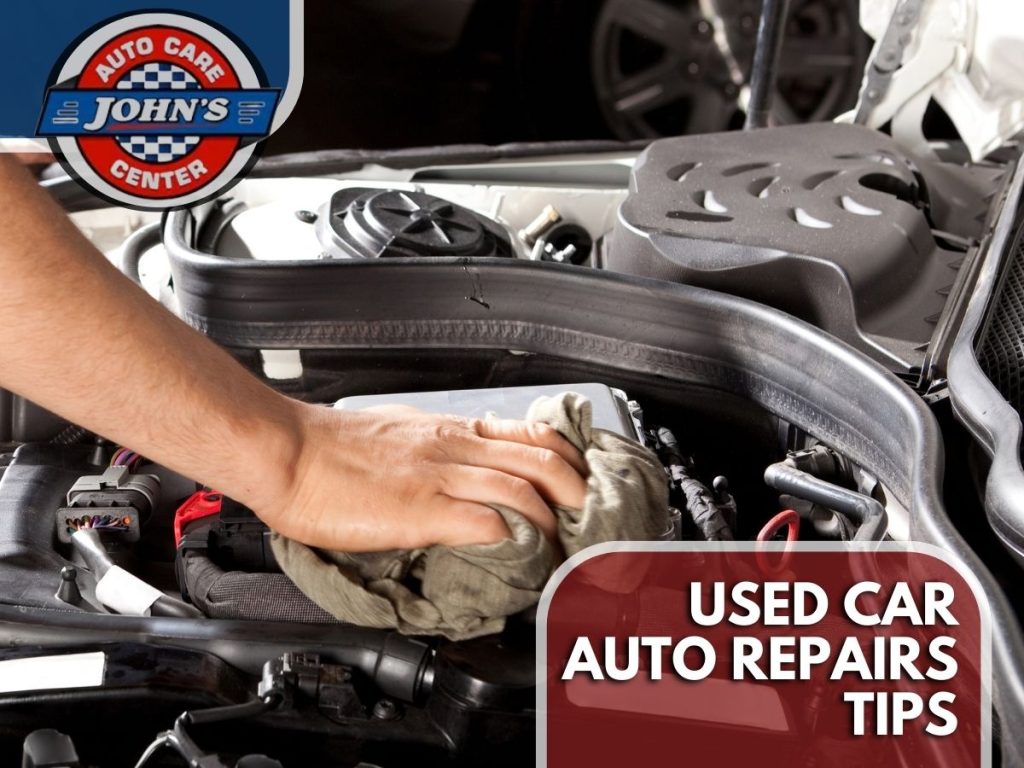
Before purchasing a used car, it’s essential to assess its condition to avoid unexpected repair costs. Start by checking the engine for unusual noises, rough idling, or excessive exhaust smoke, as these could indicate deeper mechanical problems.
Test the transmission by ensuring smooth gear shifts without any jerks or delays. The braking system should also be inspected for responsiveness and unusual noises, which may suggest worn brake pads or a failing system.
Additionally, examine the tires for uneven wear and pay attention to any excessive bouncing, as this could signal suspension issues. Lastly, verify that the electrical system, including dashboard indicators, lights, and power windows, functions correctly to avoid future inconveniences.
Prioritize Preventative Maintenance
Regular maintenance is crucial for keeping your used car in top condition. Changing the oil every 3,000–5,000 miles ensures proper lubrication, reducing engine wear and prolonging its life. Brake inspections should be done every 10,000 miles, as worn-out pads can compromise safety and increase repair costs.
The battery should be checked every six months, ensuring that terminals are clean and the battery holds a proper charge. Maintaining fluid levels is also essential; transmission, coolant, and brake fluids should be checked regularly to prevent mechanical failures.
Lastly, rotating your tires every 6,000 miles and aligning them annually helps distribute wear evenly and improves driving stability.
Address Common Used Car Repairs
Older vehicles tend to develop certain issues more frequently. Knowing how to identify and fix these problems can save you from expensive repairs.
Replacing Worn Brake Pads
Worn-out brake pads can compromise safety and lead to costly repairs. If you hear squeaking or grinding noises, notice a spongy brake pedal, or experience longer stopping distances, it may be time for a replacement. To replace them, remove the wheel, unbolt the caliper, and swap out the old pads with new ones to ensure smooth braking.
Fixing a Failing Alternator
The alternator charges the battery and powers electrical components, so if it fails, your vehicle may struggle to start. Symptoms of alternator failure include dimming headlights, a weak battery, and flickering dashboard lights. If you suspect a failing alternator, replacing it as soon as possible can prevent sudden breakdowns and expensive repairs.
Dealing with Engine Overheating
Overheating is a common issue in used cars, often caused by low coolant levels, a faulty thermostat, or a leaking radiator. If your temperature gauge rises frequently, check the coolant reservoir and look for visible leaks under the car. Addressing minor leaks early can prevent costly engine damage down the road.
Finding a Reliable Mechanic
A trustworthy mechanic is invaluable for maintaining a used car. Reading online reviews helps gauge reliability, as positive customer feedback often indicates good service. Checking for certifications, such as ASE certification, ensures that the mechanic has the necessary expertise.
Getting multiple quotes for a repair job can prevent overcharging and help you find the best price. Finally, asking friends or family for recommendations can lead to finding a mechanic with a solid reputation and fair pricing.
Maximizing Fuel Efficiency
A well-maintained car saves money on fuel. Keeping tires properly inflated prevents unnecessary resistance, improving gas mileage. Using the recommended motor oil keeps the engine running smoothly, reducing friction and improving efficiency.
Avoiding excessive idling can prevent unnecessary fuel consumption, especially in traffic or while warming up the car. Lastly, maintaining a steady speed and avoiding sudden accelerations reduces fuel usage, making long drives more economical.
When to Consider Selling Instead of Repairing
At some point, repair costs may outweigh the car’s value. If your vehicle frequently breaks down or requires expensive repairs, it may be time to replace it. Major transmission or engine failures can be costly to fix and may not be worth the investment.
Excessive rust or frame damage can compromise the car’s structural integrity, making it unsafe to drive. If fuel efficiency has significantly declined despite proper maintenance, replacing the car with a newer, more efficient model might be a wiser choice. When repairs exceed 50% of the car’s value, selling it can be a better financial decision.
Frequently Asked Questions (FAQs)
1. What are the most common repairs needed for a used car?
Common repairs include brake pad replacements, alternator failures, battery issues, and suspension problems.
2. How often should I change my oil in a used car?
Most cars require an oil change every 3,000–5,000 miles, but always check the owner’s manual for specific recommendations.
3. How can I tell if my used car needs a new battery?
Signs include difficulty starting the car, dim headlights, and a clicking sound when turning the key.
4. Is it worth repairing an old car, or should I replace it?
If repair costs exceed 50% of the car’s value, replacing it may be a better financial decision.
5. Can I perform basic car repairs myself?
Yes! Simple tasks like changing oil, replacing air filters, and installing new headlights can be done at home with basic tools.
Conclusion
Maintaining a used car doesn’t have to be overwhelming. By following a consistent maintenance schedule, addressing minor repairs promptly, and knowing when to seek professional help, you can extend the life of your vehicle and save money. Whether you’re a DIY enthusiast or prefer professional service, these used car auto repair tips will help you keep your used car running smoothly for years to come.